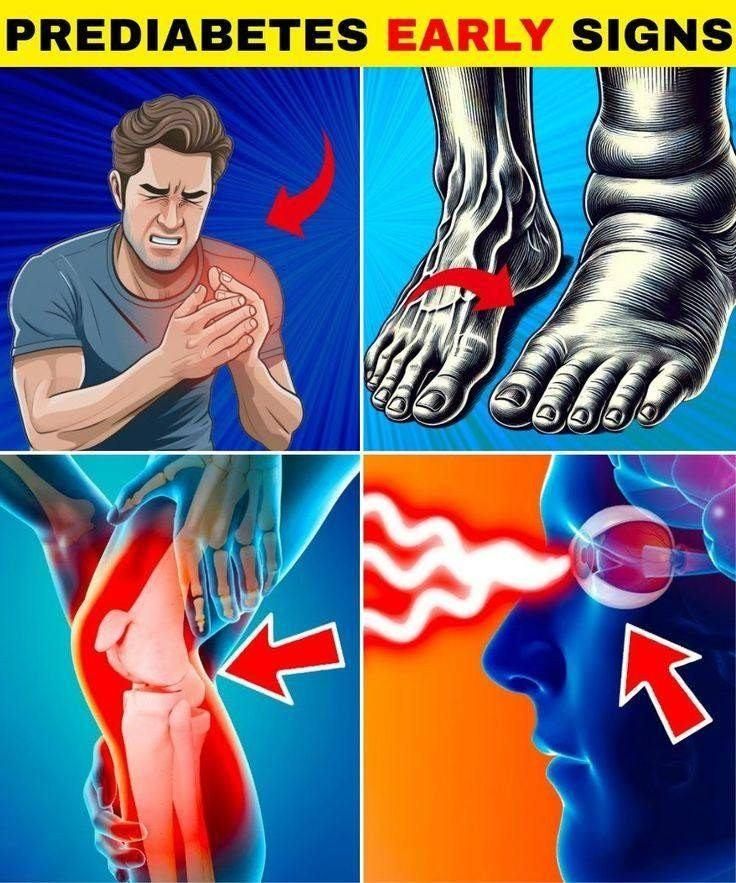
Here’s a comprehensive guide to prediabetes—covering signs, detection, and control strategies:
What is Prediabetes?
Prediabetes is a condition where blood sugar levels are higher than normal, but not yet high enough for a diagnosis of type 2 diabetes.
- It often has no obvious symptoms, making early detection important.
12 Common Signs of Prediabetes
- Increased Thirst – Feeling unusually thirsty, even after drinking water.
- Frequent Urination – Needing to urinate more often, especially at night.
- Fatigue – Feeling tired even after adequate rest.
- Blurred Vision – Blood sugar fluctuations can affect eyesight.
- Slow Healing Cuts or Bruises – High blood sugar can impair healing.
- Frequent Infections – Yeast infections or urinary tract infections may occur more often.
- Darkened Skin Patches – Usually on the neck, armpits, or groin (acanthosis nigricans).
- Unexplained Weight Changes – Gaining or losing weight without reason.
- Tingling or Numbness – Especially in hands or feet (early nerve effects).
- Mood Changes – Irritability or brain fog due to blood sugar swings.
- Cravings for Sweet Foods – Sugar cravings can spike with insulin resistance.
- Abdominal Fat – Excess belly fat is linked to insulin resistance.
How to Detect Prediabetes
- Fasting Blood Sugar Test: 100–125 mg/dL indicates prediabetes.
- Oral Glucose Tolerance Test (OGTT): Blood sugar rises higher than normal after drinking a glucose solution.
- HbA1c Test: Measures average blood sugar over 2–3 months (5.7–6.4% = prediabetes).
- Regular Checkups: Especially if you have family history, obesity, or other risk factors.
How to Control Prediabetes
1. Improve Diet
- Reduce added sugars, refined carbs, and processed foods.
- Focus on whole grains, vegetables, fruits, and lean protein.
2. Exercise Regularly
- Aim for 150 minutes of moderate exercise per week (walking, cycling, swimming).
- Exercise improves insulin sensitivity.
3. Maintain a Healthy Weight
- Even 5–10% weight loss can dramatically lower the risk of diabetes.
4. Monitor Blood Sugar
- Home glucose meters or regular lab tests help track progress.
5. Reduce Stress
- Stress hormones can raise blood sugar. Try yoga, meditation, or deep breathing.
6. Limit Alcohol and Quit Smoking
- Both increase insulin resistance and health risks.
Bottom Line
Prediabetes is reversible with lifestyle changes, but early detection is key.
- Watch for the 12 signs.
- Get tested regularly.
- Focus on diet, exercise, weight management, and stress control.
If you want, I can make a simple “Prediabetes Self-Check and Control Chart” you could use at home to monitor risk factors and lifestyle changes. This makes it very practical and easy to follow.
