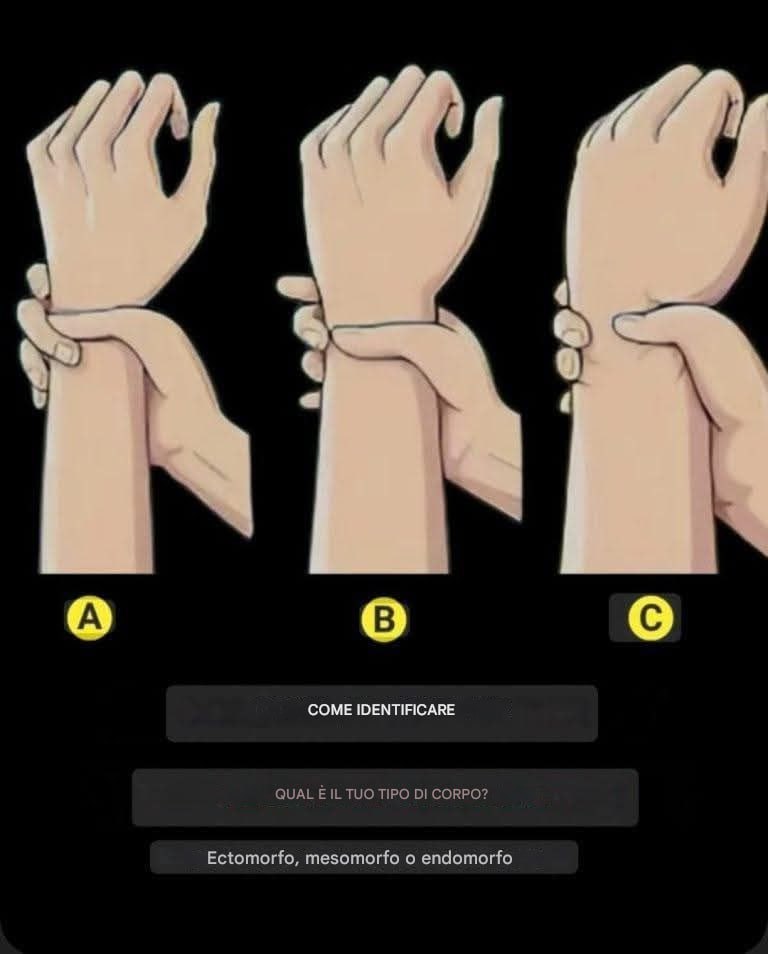
The idea of body types—ectomorph, mesomorph, and endomorph—comes from an older system called Somatotype theory. It’s still popular in fitness, but it’s not a perfect science. Think of it as a rough guideline, not a strict label.
🧍♂️ 1. Ectomorph (Naturally Lean)
Typical traits:
- Slim build
- Narrow shoulders and hips
- Fast metabolism
- Hard to gain weight or muscle
Strengths:
- Stays lean easily
Challenges:
- Muscle gain can be slow
💪 2. Mesomorph (Naturally Athletic)
Typical traits:
- Muscular, well-defined body
- Broad shoulders
- Gains muscle easily
- Moderate metabolism
Strengths:
- Responds quickly to training
Challenges:
- Can gain fat if inactive
🧘♂️ 3. Endomorph (Naturally Stockier)
Typical traits:
- Softer, rounder body
- Wider waist/hips
- Gains weight easily
- Slower metabolism
Strengths:
- Can build strength well
Challenges:
- Fat loss may require more consistency
⚠️ The Reality (Important)
Most people are not purely one type. You’re usually a mix, like:
- Ecto-mesomorph
- Endo-mesomorph
Also, factors like:
- Diet
- Exercise
- Sleep
- Hormones
matter far more than body type alone.
🧠 Why this concept is limited
Modern science shows body shape is influenced by:
- Genetics
- Lifestyle
- Environment
Not just a fixed category from Somatotype theory.
✅ Better way to use this idea
Instead of labeling yourself, use it as a starting point:
- Struggle to gain weight? → Eat more + strength train
- Gain fat easily? → Focus on diet consistency + cardio
- Build muscle easily? → Balance training + recovery
🧩 Bottom line
Body types can help you understand tendencies—but they don’t define your limits. Your habits matter far more than your “type.”
If you want, I can help you figure out your likely body type and create a simple workout/diet plan based on it.
