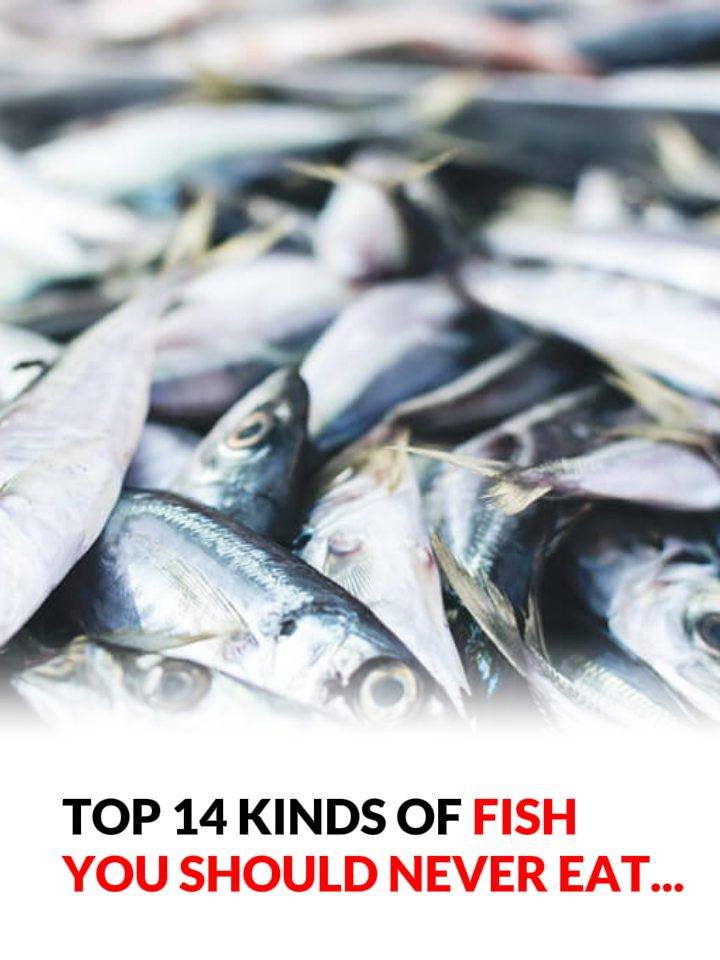
Here’s the real, science‑based health alert on fish—not hype or fearmongering, but what experts do recommend you know before eating certain species:
⚠️ 1. Some fish contain high levels of mercury
Mercury is a toxic heavy metal that accumulates up the food chain, especially in large predatory fish. High mercury intake is linked to neurological issues, especially in developing brains. (US EPA)
Species with consistently high mercury levels
These are the ones many health authorities advise limiting or avoiding, especially for:
- Women who are pregnant, may become pregnant, or are breastfeeding
- Young children
- People who eat fish frequently
Examples include: - Swordfish
- Shark
- King mackerel
- Tilefish
- Marlin
- Bigeye tuna
👉 These tend to have higher mercury due to larger size and longer lifespan. (Healthline)
⚠️ 2. Mercury exposure can have real health consequences
Mercury in fish most often shows up as methylmercury, a form that can:
- Affect brain development in fetuses and young children
- Lead to symptoms like numbness, balance problems, memory issues, and difficulty speaking if exposure is high over time
- Accumulate in the body because it’s slow to leave
👉 These effects are most concerning in sensitive populations. (U.S. Food and Drug Administration)
⚠️ 3. Not all fish are equally risky
Fish nutritionists emphasize that fish can be very healthy if chosen wisely. (Verywell Health)
Safer, lower‑mercury seafood options (often recommended):
- Salmon
- Sardines
- Pollock
- Catfish
- Shrimp
- Anchovies
These species tend to have lower mercury levels and still deliver beneficial omega‑3 fatty acids. (US EPA)
⚠️ 4. You don’t have to stop eating fish entirely
Unlike alarmist headlines, public health guidelines don’t say fish is inherently dangerous for everyone. Instead:
- Most people can enjoy fish and seafood as part of a healthy diet
- Choose lower‑mercury fish more often
- Limit or avoid the high‑mercury species listed above
- Pregnant women, children, and sensitive groups should be especially cautious and follow specific serving guidance from health agencies. (US EPA)
🧠 The bottom line — what you must know
✅ Fish is nutritious and can support heart and brain health. (U.S. Food and Drug Administration)
❗ Some species carry higher mercury risks, especially if eaten often. (Healthline)
✔ Choose low‑mercury fish regularly; avoid or limit high‑mercury species. (US EPA)
If you want, I can give you a simple list of “safe to eat weekly” fish versus those you should avoid entirely so you can shop confidently. Just let me know!
