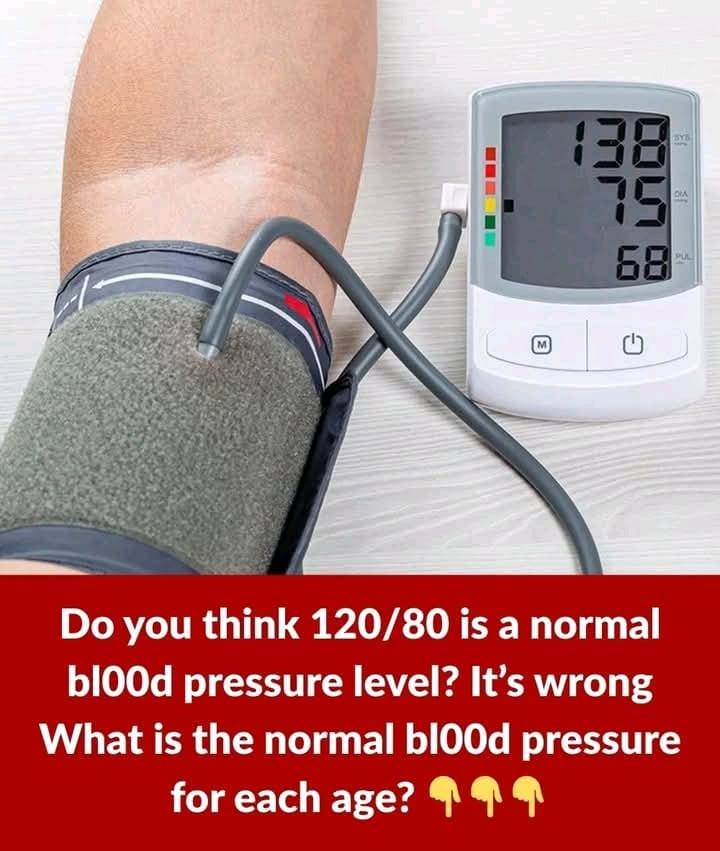
There isn’t a completely different “normal” blood pressure for every age. The basic healthy range stays roughly the same, but what’s considered acceptable can vary a bit as people get older.
📊 Standard adult blood pressure ranges
For most adults (based on modern guidelines for Hypertension):
- Normal: below 120/80 mmHg
- Elevated: 120–129 / <80
- High (Stage 1): 130–139 / 80–89
- High (Stage 2): 140/90 or higher
👶 Children & teens (approximate ranges)
Blood pressure depends on age, height, and gender, but generally:
- Children (6–12 years): ~90/60 to 110/70
- Teens (13–17 years): ~100/65 to 120/80
🧑 Adults by age (practical view)
18–39 years
- Ideal: <120/80
- Slightly higher readings should be taken seriously early
40–59 years
- Aim: <130/80
- Risk of heart disease starts increasing
60+ years
- Often acceptable: <130–140 / 80–90 (depends on health)
- Doctors may allow slightly higher values to avoid dizziness/falls
⚠️ Important reality check
- Blood pressure naturally rises with age, but that doesn’t mean “higher is better”
- The goal is to keep it as close to normal as safely possible
🧠 What matters more than age
Doctors look at:
- Diabetes
- Kidney health
- Heart disease risk
- Symptoms (like dizziness)
✅ Bottom line
“Normal” blood pressure is generally around 120/80 at any age, but treatment targets may be adjusted slightly for older adults based on overall health.
If you want, tell me your blood pressure readings and age—I can help you interpret whether they’re in a safe range.
