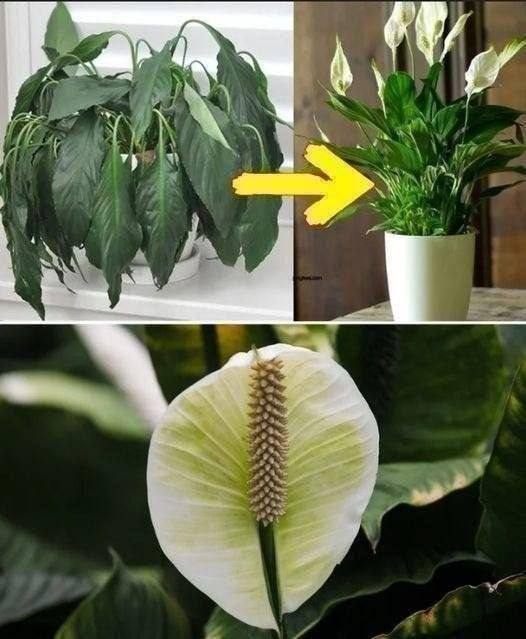
That headline is deliberately vague—because it works for clicks. “A tablespoon of what?” In these posts, it’s usually something like sugar, baking soda, vinegar, coffee grounds, or salt. None of them are universal “miracle fixes,” and some can actually harm your plants.
Here’s what you can realistically expect:
🧂 If it’s salt
- ❌ Bad idea
- Salt pulls water out of roots and can kill the plant
- Even small amounts can damage soil over time
👉 This is one of the worst things you can add.
🥄 If it’s sugar
- ⚠️ Doesn’t “feed” the plant directly
- Plants make their own sugars via Photosynthesis
- Adding sugar can:
- Attract pests
- Promote mold or fungus
👉 Not useful for healthy growth.
☕ If it’s coffee grounds
- ✅ Can help in small amounts
- Adds organic matter and slight acidity
But:
- Too much can make soil compact
- Not all plants like acidic conditions
🧂 If it’s baking soda
- ⚠️ Sometimes used for fungal issues
- But:
- Can disrupt soil pH
- Overuse harms roots
👉 Only for very specific, diluted uses—not routine feeding.
🍶 If it’s vinegar
- ❌ Usually harmful
- Acidic enough to damage leaves and roots
- Sometimes used as a natural weed killer
🌿 What plants actually need
Instead of random “tablespoon hacks,” plants thrive on:
- Proper watering (not too much, not too little)
- Sunlight suited to the plant type
- Balanced fertilizer (when needed)
- Good drainage
🧠 Why these hacks go viral
They promise:
- Quick results
- Cheap household solutions
- “Secret tricks” gardeners supposedly hide
But plants aren’t that simple—soil chemistry matters.
✅ Bottom line
Dropping a random tablespoon of a household ingredient into your plant is more likely to do nothing or cause harm than help.
If you tell me which plant you have, I can give you a simple care routine that actually works (no gimmicks).
