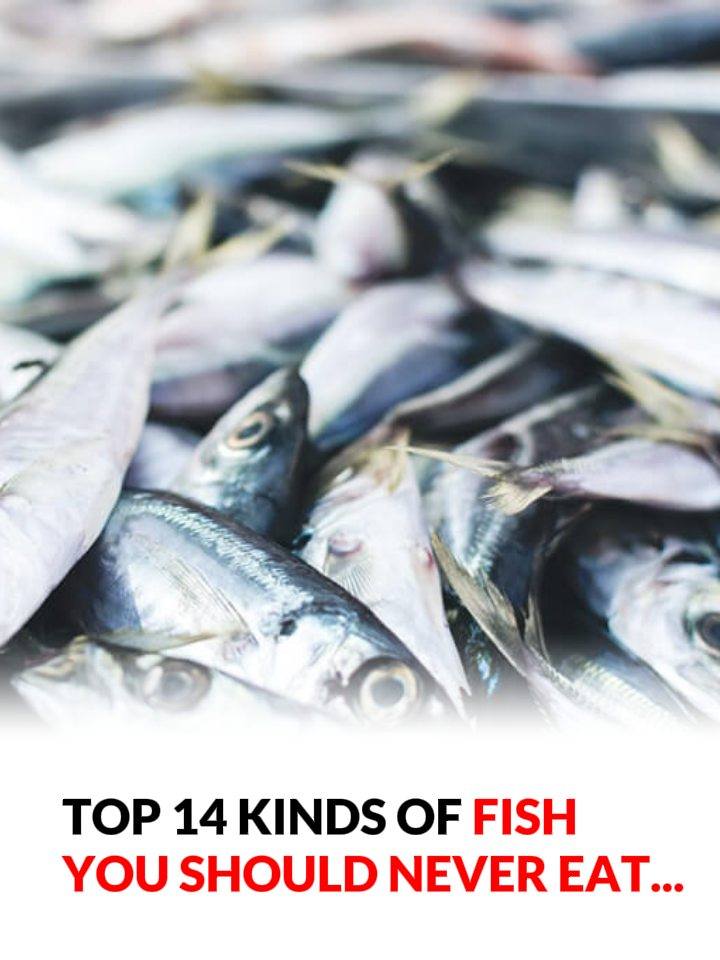
That headline is built to scare you.
👉 There is no single fish that everyone must “stop eating immediately.” What matters is which fish, how often, and who is eating it.
🧠 What the real concern usually is
Most “don’t eat this fish” warnings relate to Mercury:
- Builds up in large, long-living fish
- Can affect the brain and nervous system at high levels
⚠️ Fish higher in mercury (limit intake)
These are the ones often behind scary headlines:
- Shark
- Swordfish
- King mackerel
- Tilefish
- Some large tuna (like bigeye)
👉 These aren’t “poison,” but should be eaten sparingly, especially by:
- Pregnant women
- Children
✅ Fish that are generally safe and healthy
Most commonly eaten fish are actually good for you:
- Salmon
- Sardines
- Mackerel (not king mackerel)
- Tilapia
- Cod
They provide:
- Protein
- Omega-3 fats (heart and brain health)
⚠️ Other real (but smaller) concerns
1. Contaminants (like PCBs)
- Found more in polluted waters
- Usually within safe limits in regulated food supplies
2. Farmed vs wild fish
- Differences exist, but both can be safe when properly sourced
3. Food safety
- Spoiled or improperly stored fish can cause illness (this is a bigger immediate risk than toxins)
🚫 What viral alerts exaggerate
❌ “This fish is toxic for everyone”
❌ “Eating it once is dangerous”
❌ “All fish are contaminated”
👉 These are misleading.
🧾 Bottom line
You don’t need to stop eating fish—you just need to choose wisely and vary your intake.
Fish remains one of the healthiest protein sources when eaten in moderation.
If you want, tell me which fish you usually eat—I can tell you how safe it is and how often you should have it.
