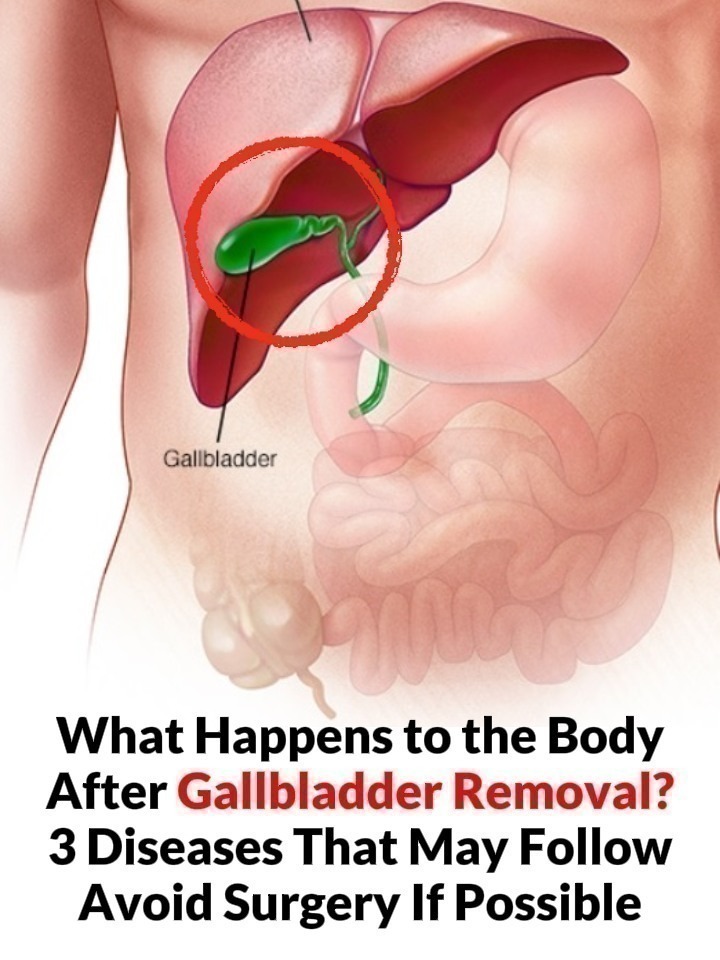
That headline is a bit misleading. Gallbladder removal isn’t something to “avoid at all costs.” When it’s truly needed, it can prevent serious complications and relieve ongoing pain. The procedure—cholecystectomy—is very common and generally safe.
That said, like any surgery, it can have downsides. Here’s a balanced look.
⚠️ Possible issues after gallbladder removal
💩 1. Digestive changes (most common)
Without a gallbladder, bile flows continuously instead of being stored.
- Loose stools or urgency (especially after fatty meals)
- Bloating or discomfort
👉 Often improves over time with diet adjustments.
🔄 2. Bile-related irritation
Some people develop irritation in the gut due to constant bile flow:
- Sometimes called bile acid diarrhea
- Manageable with medication if persistent
😣 3. Ongoing or new abdominal symptoms
A small number of people experience:
- Continued pain or indigestion
- Known as postcholecystectomy syndrome
👉 Not very common, but it happens.
🧠 Why the surgery is still done
Doctors recommend it when the risks of keeping the gallbladder are higher, such as:
- Painful gallstones
- Infection or inflammation
- Blocked bile ducts
Conditions like gallstones can lead to serious problems if untreated.
⚖️ Can you avoid surgery?
Sometimes—but not always.
✔️ Non-surgical approaches (in selected cases)
- Diet changes (low-fat meals)
- Weight management
- Monitoring mild symptoms
❌ When surgery is usually necessary
- Repeated painful attacks
- Complications (infection, blockage, pancreatitis)
🧠 Bottom line
- Gallbladder removal has possible side effects, mostly digestive
- But it’s often the safest and most effective solution when symptoms are severe
- The idea that you should always avoid it is not medically accurate
If you want, tell me what symptoms or diagnosis you’re dealing with, and I can help you understand whether surgery is typically recommended in that situation.
