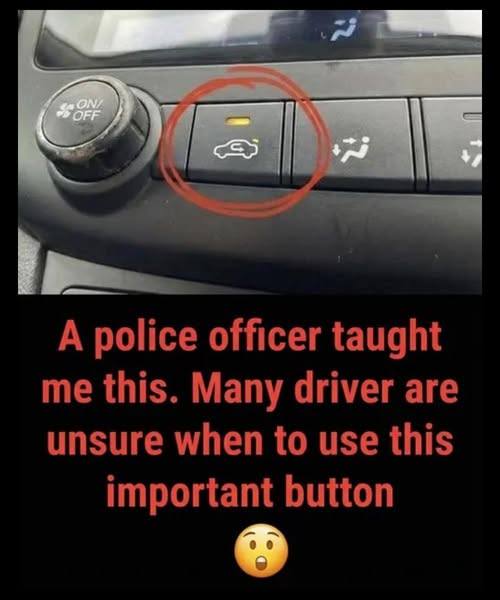
That little “recirculation” button in your car isn’t just a minor toggle—it can noticeably change comfort, air quality, and even fuel use when used correctly.
🔄 What the recirculation button actually does
When you press it, your car’s HVAC system reuses the air already inside the cabin instead of pulling fresh air from outside.
🚗 Why it matters
1. Faster cooling in hot weather
On a hot day, recirculating already-cooled air helps the AC work more efficiently, so the cabin cools down quicker.
2. Keeps polluted air out
Useful in traffic, tunnels, or dusty areas—it helps block:
- Exhaust fumes
- Dust and smoke
- Strong outside odors
3. Better fuel efficiency (slightly)
Your air conditioning system works less hard when cooling already-cooled air, which can reduce strain on the engine.
⚠️ When NOT to use it
❌ In cold or rainy weather
Recirculation can trap moisture inside the car, causing:
- Foggy windows
- Reduced visibility
❌ For long periods
Air can become:
- Stale
- Higher in carbon dioxide
- Less comfortable over time
👍 Best ways to use it
- Turn ON:
- During very hot weather (with AC)
- In heavy traffic or polluted areas
- Turn OFF:
- When you need fresh air
- In rain or winter (to prevent fogging)
🧠 Quick tip
Many modern cars automatically manage this setting, but manual control can still make a big difference in comfort and air quality.
✅ Bottom line
The recirculation button is a simple but powerful tool:
- Great for cooling and blocking pollution
- Not ideal for long-term use or humid conditions
If you want, I can explain the best AC settings for extreme heat (like in Pakistan summers)—it can make a huge difference.
