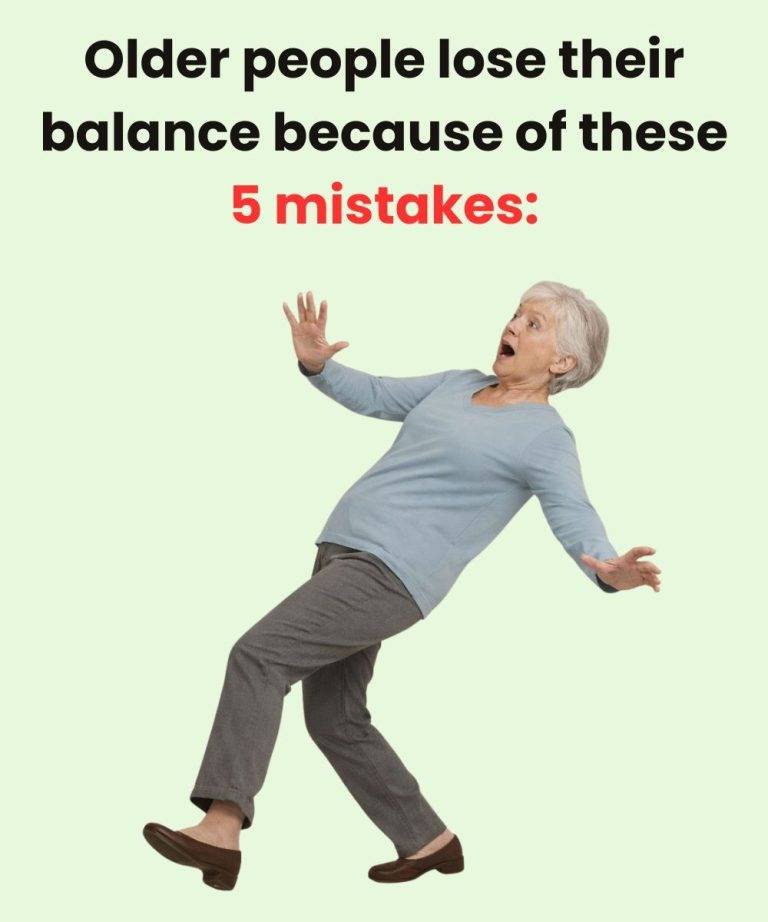
Balance problems in older adults rarely come from just “getting older.” They’re usually the result of small, fixable mistakes in daily habits, health care, and environment. Here are the most common ones—and why they matter:
⚠️ 1. Not reviewing medications
Many drugs (including blood pressure pills, sleep aids, and sedatives) can cause dizziness or drowsiness.
- Mixing medications increases fall risk
- Always review meds with a doctor or pharmacist
👓 2. Ignoring vision changes
Poor eyesight affects depth perception and stability.
- Outdated glasses or untreated cataracts can throw off balance
🦶 3. Wearing unsafe footwear
- Slippers without grip
- Loose sandals
- Worn-out soles
👉 These reduce traction and stability.
🛋️ 4. Living in a cluttered or unsafe home
Common hazards:
- Loose rugs
- Poor lighting
- Cords across walking paths
👉 These are major contributors to falls.
🏃 5. Lack of physical activity
Avoiding movement leads to:
- Weak muscles
- Poor coordination
Exercises like Tai Chi are especially effective for improving stability.
💧 6. Dehydration
Not drinking enough fluids can cause:
- Dizziness
- Low blood pressure
- Confusion
🧠 7. Ignoring inner ear issues
The inner ear controls balance. Problems here can lead to vertigo, such as Benign Paroxysmal Positional Vertigo.
🪑 8. Standing up too quickly
A sudden drop in blood pressure (orthostatic hypotension) can cause lightheadedness or fainting.
🦴 9. Weak core and leg muscles
Without strength in:
- Legs
- Hips
- Core
…it becomes harder to stay steady or recover from a stumble.
🍽️ 10. Poor nutrition
Low levels of vitamin D, calcium, or protein can weaken bones and muscles.
🚨 Why this matters
Falls are one of the leading causes of injury in older adults—but many are preventable by fixing these everyday issues.
✅ Bottom line
Balance problems are often not inevitable—they’re manageable. Small changes in habits, environment, and health care can significantly reduce fall risk.
If you want, I can create a simple daily routine to improve balance and prevent falls tailored for older adults.
