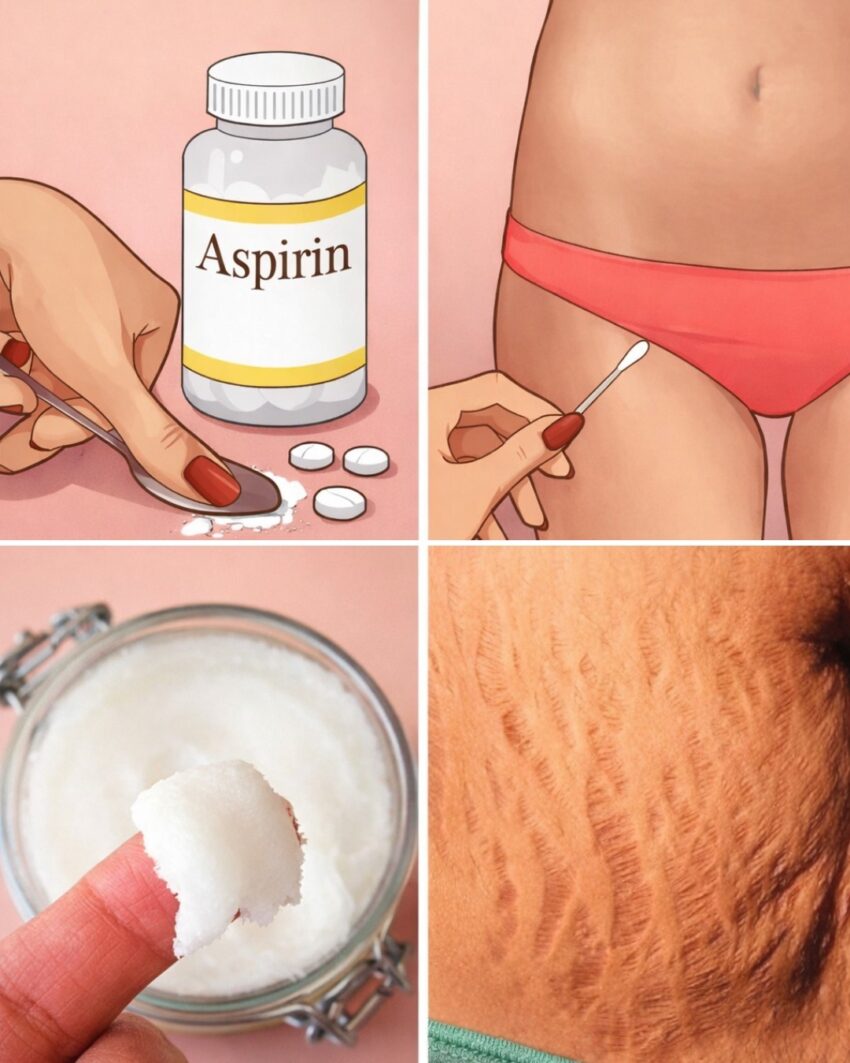
That kind of headline is risky. Aspirin is a real medication—not a multi-purpose “hack” product—and using it casually for tricks can cause harm (stomach bleeding, ulcers, interactions).
Here’s a safe, realistic guide to what aspirin is actually useful for—and what to avoid:
✔️ Legitimate, evidence-based uses
🫀 1. Heart protection (only if prescribed)
Low-dose aspirin may be used to reduce clot risk in people with prior heart disease or stroke risk.
👉 Not for everyone—your doctor must decide.
💊 2. Pain and fever relief
It can help with mild pain (headache, body aches) and fever—but it’s not always the safest first choice, especially for older adults.
🚨 3. Emergency use during suspected heart attack
In some cases, chewing aspirin can help during a Heart attack while waiting for medical help.
👉 This should only be done if advised by a professional or emergency service.
⚠️ “Tricks” you should avoid
❌ Skin or acne treatments
Crushing aspirin and applying it to skin can irritate or burn—it’s not a proper skincare treatment.
❌ Hair or beauty hacks
No real benefit, possible scalp irritation.
❌ Cleaning hacks
Using medication as a household cleaner is unnecessary and wasteful.
❌ Daily use “just in case”
Taking aspirin regularly without medical advice increases risk of:
- Internal bleeding
- Stomach ulcers
- Complications, especially after age 60–70
🚫 Who should be especially careful
- Older adults (higher bleeding risk)
- People with stomach issues or ulcers
- Those taking blood thinners
- Anyone with certain conditions like Hypertension if uncontrolled
✔️ Bottom line
Aspirin is useful when used correctly, but it’s not a harmless “life hack” item. Viral “10 tricks” posts usually ignore real risks.
If you want, tell me your age and whether you take any medications—I can help you understand whether aspirin is safe or useful for you personally.
