Seeing floaters can be unsettling, but they’re very common—especially as you get older. Here’s a clear, practical guide to what they mean and what to do.
👁️ What are eye floaters?
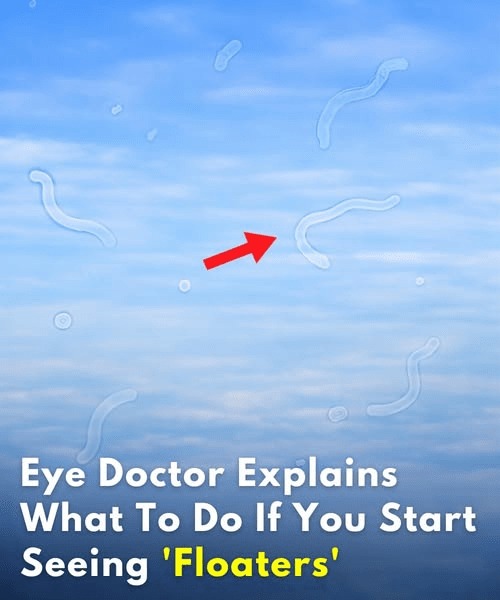
Floaters are tiny specks, threads, or cobweb-like shapes that drift across your vision. They’re usually caused by changes in the gel inside the eye (the vitreous), a process called Posterior vitreous detachment.
🧠 Common causes
- Natural aging (most common)
- Nearsightedness
- After eye injury or surgery
- Sometimes linked to conditions like Retinal detachment (less common but serious)
✅ What to do right away
If you notice floaters:
1. Stay calm
A few floaters appearing gradually is usually harmless.
2. Move your eyes
Look up/down or side to side—floaters often drift away from your central vision.
3. Monitor changes
Pay attention to whether they increase or come with new symptoms.
🚨 When to see a doctor urgently
Seek immediate care if you have:
- A sudden shower of many floaters
- Flashes of light
- A dark shadow or “curtain” over part of your vision
- Sudden vision loss
These can signal a retinal tear or detachment.
🩺 Routine check
Even without emergency signs, it’s wise to get an eye exam if:
- Floaters are new
- They’re increasing
- You’re over 50
🛠️ Treatment
- Most floaters don’t need treatment and become less noticeable over time
- In rare severe cases, procedures like vitrectomy may be considered
🚫 What to avoid
- No proven “home remedy” or drops can remove floaters
- Be cautious of online claims promising quick cures
🧠 Bottom line
Most floaters are harmless, but sudden changes or flashes of light are a red flag—don’t ignore those.
If you want, describe what you’re seeing (dots, strings, how long, one eye or both), and I can help you judge how urgent it might be.
