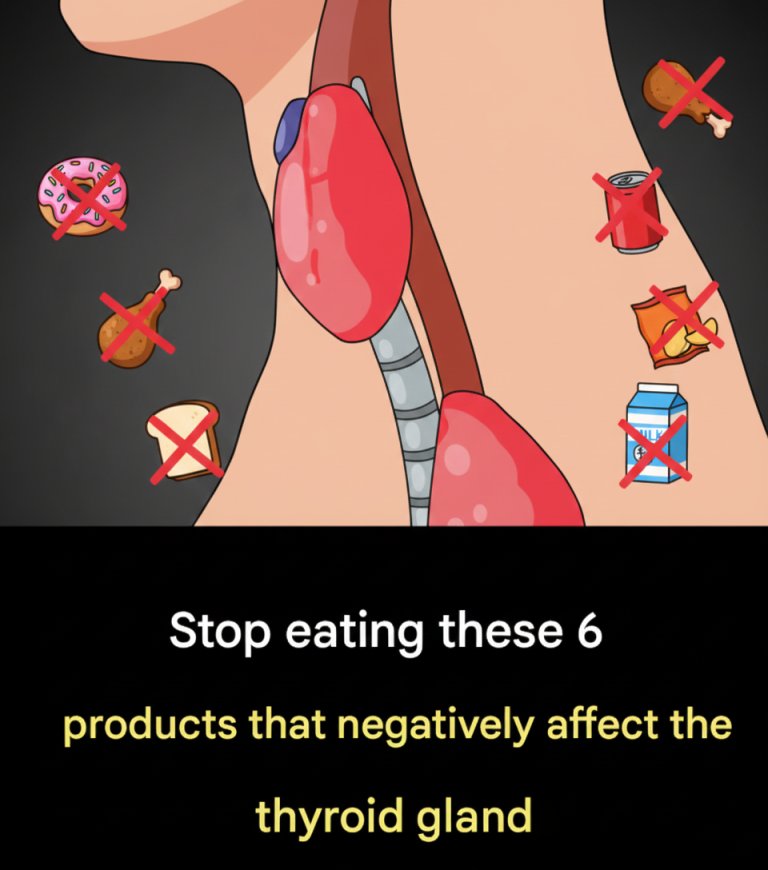
That headline is doing a lot of work—it mixes a real medical term with a misleading promise.
First, “thyroid crisis” usually refers to Thyroid storm, a medical emergency. It’s caused by severe, untreated or poorly controlled hyperthyroidism—not by eating the “wrong” foods. Diet alone doesn’t trigger or prevent a crisis.
So what about the “6 foods to avoid”? There’s no secret list doctors are hiding. But diet can influence thyroid function and symptoms, especially if you already have a condition.
Foods that can matter (depending on your thyroid condition)
1. Iodine-rich foods (in excess)
- Seaweed, kelp, iodine supplements
- Too much iodine can worsen hyperthyroidism in some people
- But too little iodine can worsen hypothyroidism—so balance matters
2. Goitrogenic foods (only in large amounts, especially raw)
- Cabbage, broccoli, cauliflower, soy
- These can slightly interfere with thyroid hormone production, mainly in iodine deficiency
- Cooking reduces this effect significantly
3. Highly processed foods
- Can worsen fatigue, weight issues, and inflammation
- Indirectly affects how you feel, not your thyroid directly
4. Sugary foods
- Can worsen energy crashes, especially if thyroid levels are off
5. Soy (context matters)
- May interfere with absorption of thyroid medication if taken at the same time
- Usually fine if spaced a few hours apart
6. Gluten (only for some people)
- Relevant mainly if you have autoimmune thyroid disease like Hashimoto’s thyroiditis and gluten sensitivity or celiac disease
What actually helps your energy
- Taking thyroid medication correctly (empty stomach, consistent timing)
- Regular blood tests to keep levels in range
- Balanced diet (protein, healthy fats, micronutrients like selenium and zinc)
- Good sleep and stress management
Bottom line
There’s no hidden list of foods that will “save” or “destroy” your thyroid overnight. The biggest drivers of your energy are proper diagnosis, medication (if needed), and overall lifestyle—not fear-based food rules.
If you want, tell me your specific thyroid condition (hypo, hyper, Hashimoto’s, etc.), and I’ll give you a more precise, practical food plan.
