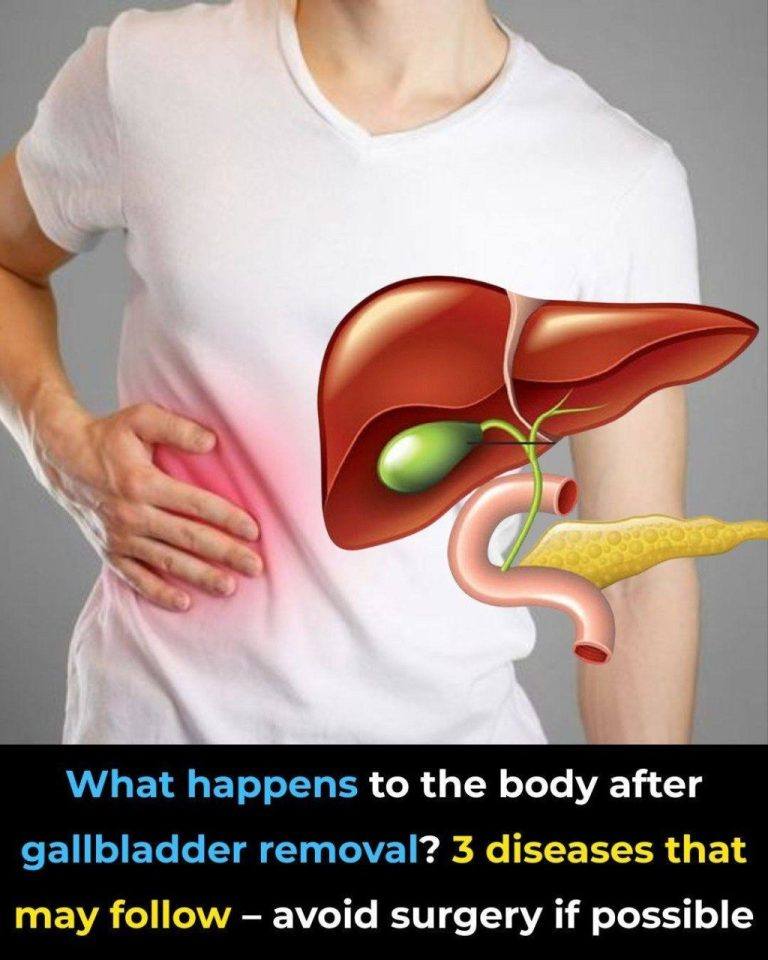
The headline you shared is a bit alarmist. Removing the gallbladder (a Gallbladder removal surgery called Cholecystectomy) is very common and usually safe. Most people live completely normal lives afterward.
That said, your body does change, and a small number of people develop ongoing symptoms. Here’s the balanced, reality-based picture:
🧠 What actually changes after gallbladder removal?
The gallbladder stores and concentrates bile. After surgery:
- Bile flows continuously from the liver into the intestines
- You lose the “on-demand” release of bile for fatty meals
Most people adapt within weeks to months.
⚠️ 3 problems that can happen (but aren’t guaranteed)
1. Digestive issues (especially diarrhea)
Some people develop frequent loose stools due to excess bile entering the gut—often called Bile Acid Diarrhea
- Usually mild and temporary
- Can be treated with diet changes or medication if persistent
2. Post-cholecystectomy syndrome (PCS)
A small percentage experience ongoing symptoms after surgery, known as Postcholecystectomy Syndrome
- Bloating, indigestion, or pain
- Sometimes due to leftover stones or bile flow issues
3. Increased risk of certain metabolic issues (possible, not certain)
Some studies suggest a link between gallbladder removal and Nonalcoholic Fatty Liver Disease
- This is an association, not a guaranteed outcome
- Lifestyle (diet, weight, activity) plays a much bigger role
🚫 “Avoid surgery if possible” — is that true?
Not always. This is where many viral posts go wrong.
Surgery is often necessary and the safest option if you have:
- Recurrent painful gallstones
- Infection or inflammation
- Blocked bile ducts
- Risk of complications like pancreatitis
Delaying surgery in these cases can lead to serious problems, including emergency situations.
✅ When surgery might be avoidable
If symptoms are mild:
- Diet changes (low-fat meals)
- Weight management
- Monitoring instead of immediate surgery
But once gallstones cause repeated issues, surgery is usually the definitive fix.
🥗 How to support your body after removal
- Eat smaller, lower-fat meals at first
- Gradually reintroduce healthy fats
- Stay active
- Watch how your body reacts to certain foods
🧾 Bottom line
- Gallbladder removal is generally safe and effective
- Some people get mild, manageable side effects
- Serious long-term problems are uncommon
- Avoiding surgery isn’t always wise—it depends on your condition
If you’re asking because you (or someone close) is considering surgery, tell me the symptoms or diagnosis—I can help you weigh whether it’s truly necessary in your specific situation.
