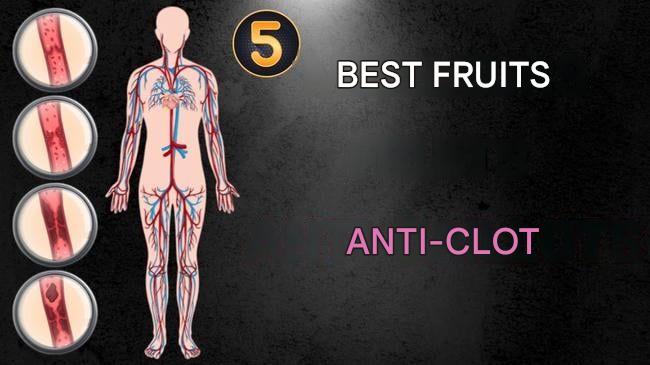
That headline is not medically accurate.
There are no fruits that “dissolve blood clots.” Blood clots are serious medical conditions involving the Thrombosis, and they are treated with prescription medications—not food.
🧠 Where the confusion comes from
Some fruits contain compounds that may:
- Slightly reduce blood “stickiness” (platelet activity)
- Support heart and vessel health
- Reduce inflammation
But this is not the same as dissolving existing clots.
🍎 Fruits often wrongly labeled as “clot dissolvers”
1. Citrus fruits (oranges, lemons)
- Contain vitamin C and antioxidants
- Support blood vessel health
- Do NOT break down clots
2. Pomegranate
- May improve circulation slightly in studies
- Anti-inflammatory effects
- Not a treatment for thrombosis
3. Berries (blueberries, strawberries)
- Rich in flavonoids
- May support vascular health
- No clot-dissolving action
4. Grapes
- Contain resveratrol (heart-health compound)
- May reduce platelet aggregation slightly
- Not a medical therapy
5. Pineapple
- Contains bromelain (an enzyme studied for inflammation)
- Sometimes marketed as “blood thinner,” but evidence is limited
- Not proven to dissolve clots in humans
⚠️ Critical medical reality
If a clot is present in veins or arteries:
- It can cause stroke, heart attack, or pulmonary embolism
- It requires urgent medical treatment
Doctors use medications like:
- Anticoagulants (“blood thinners”)
- Thrombolytics (clot-busting drugs in emergencies)
Not fruit.
🚨 Dangerous myth risk
Relying on food instead of treatment can delay care and become life-threatening.
🧾 Bottom line
Fruits can support heart and blood vessel health, but they do not dissolve blood clots. That claim is marketing, not science.
If you want, I can explain the real warning signs of blood clots and when to seek emergency help—that part is much more important for safety.
