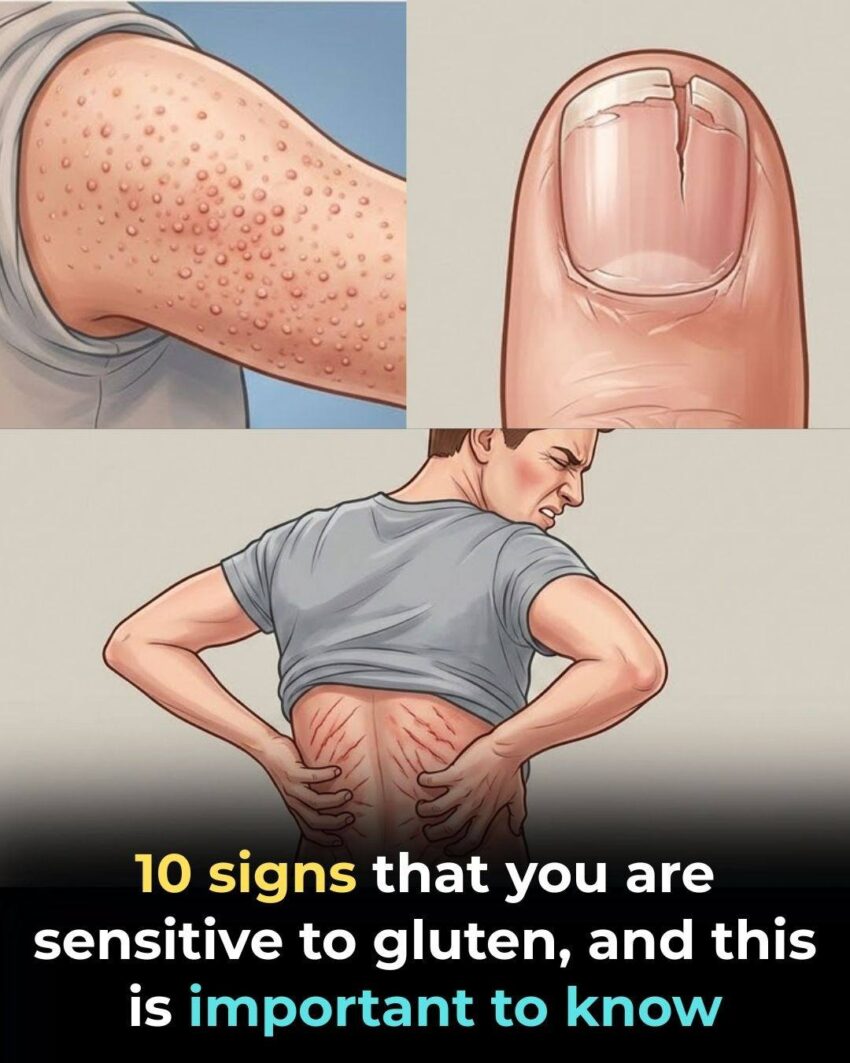
If your body doesn’t handle gluten well (found in wheat, barley, rye), it can show up in many different ways. The tricky part is that symptoms can be digestive, skin-related, or even neurological, so people often miss the connection.
Here are the most common warning signs of gluten sensitivity or related conditions like celiac disease:
1. Digestive problems (most common)
- Bloating after eating bread/pasta/roti
- Gas or abdominal discomfort
- Diarrhea or constipation (either one or both)
- Stomach cramps
- Feeling “heavy” after meals with wheat
2. Constant fatigue
- Feeling tired even after enough sleep
- “Brain fog” or slow thinking after meals
- Low energy without clear reason
3. Skin issues
- Itchy rashes (especially elbows, knees, scalp)
- Dry, flaky skin that doesn’t improve easily
- Small blister-like bumps in some cases
4. Headaches and migraines
- Frequent headaches after eating wheat-based foods
- Migraines that seem food-triggered
5. Joint and muscle pain
- Aching joints without injury
- Stiffness, especially in morning
- Muscle soreness not linked to exercise
6. Mood changes
- Anxiety or irritability
- Low mood or “brain fog depression”
- Difficulty concentrating
7. Nutrient deficiency signs
Long-term gluten sensitivity can reduce absorption:
- Iron deficiency (fatigue, pale skin)
- Low vitamin B12
- Unexplained weight loss or weakness
Important distinction
There are 3 main conditions people confuse:
- Celiac disease → immune system damages the intestine (serious, lifelong)
- Non-celiac gluten sensitivity → symptoms but no autoimmune damage
- Wheat allergy → allergic reaction (can include hives, swelling, breathing issues)
When to take it seriously
You should consider testing if:
- Symptoms happen repeatedly after wheat/gluten foods
- You have both digestive + fatigue or skin symptoms
- There is family history of celiac disease
Important warning
Don’t stop gluten completely before testing, because it can make results inaccurate. Doctors usually test blood markers while you are still eating gluten.
If you want, I can help you figure out whether your symptoms look more like celiac disease, simple intolerance, or something else entirely.
