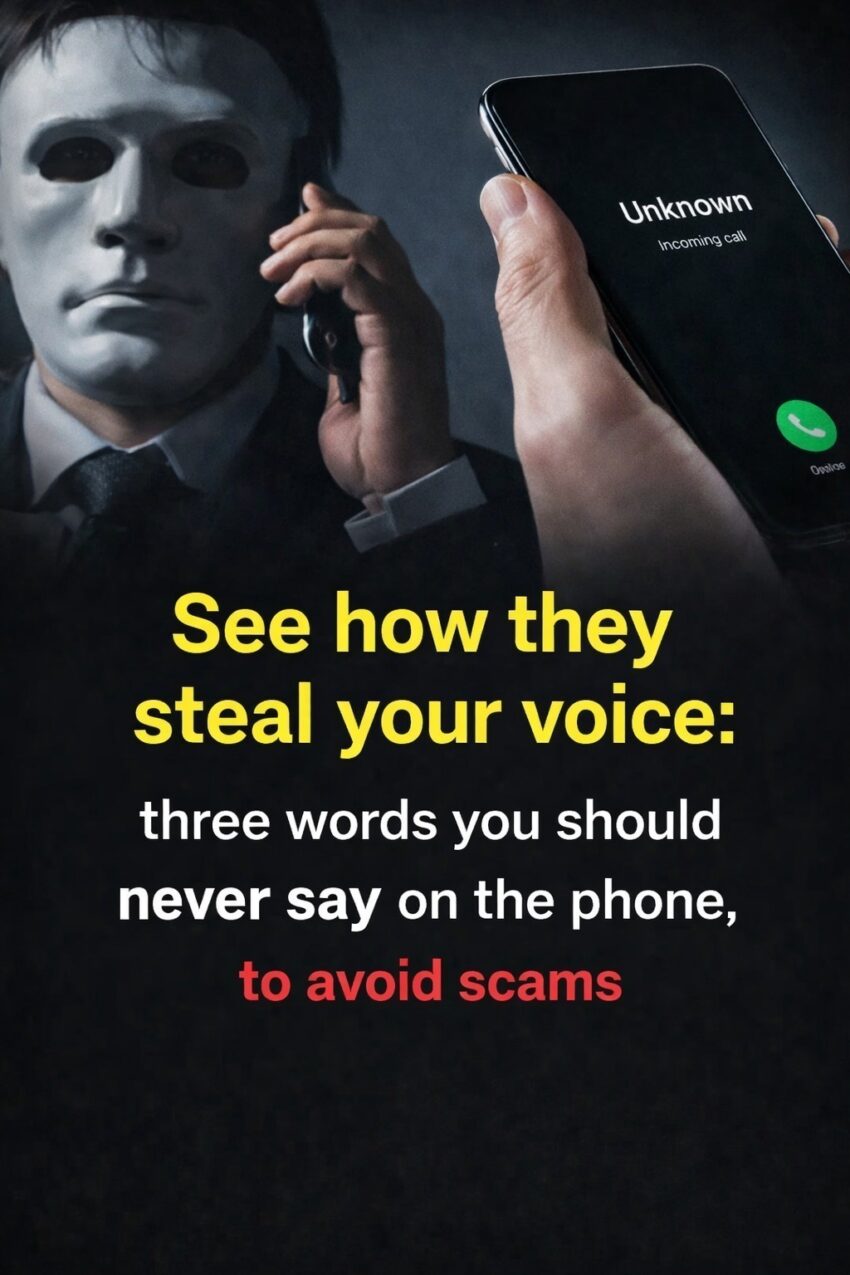
That warning isn’t completely wrong—but it’s often overstated. Criminals don’t usually steal your identity just from a few words. Still, phone scams are real, and there are smart habits that reduce your risk.
📞 The “3 phrases” people warn about
Phone scam
1. “Yes”
Why people warn about it:
- Some scams try to record your voice
Reality:
- A single “yes” isn’t enough to authorize anything legally in most cases
- But it can be misused in recordings or trick conversations
Safer alternative:
- Say: “Who is calling?” or “Speaking” instead of “yes”
2. Your full name and personal details
Risk:
- Scammers combine small details to impersonate you or access accounts
Never confirm:
- Full name + address
- CNIC / ID numbers
- Bank or OTP codes
3. “I’m alone” or sharing your situation
Risk:
- Can make you a target for fraud or even physical scams
Better:
- Keep responses neutral and minimal
🚨 What actually protects you (more important than phrases)
✔️ Don’t trust unknown callers
- Even if they claim to be from a bank or government
✔️ Never share OTPs or banking info
- No legitimate company asks for this over a call
✔️ Hang up and call back officially
- Use the number from the official website or card
✔️ Be cautious with urgency
Scammers often say:
- “Act now”
- “Your account will be blocked”
That’s a red flag.
🧠 Important truth
Voice alone is not enough to steal your identity—but what you reveal during the call is.
🧾 Bottom line
You don’t need to fear saying one word—you need to avoid:
- sharing sensitive information
- trusting unknown callers
- reacting under pressure
If you want, I can show you the most common scam call scripts used in Pakistan and how to recognize them instantly.
