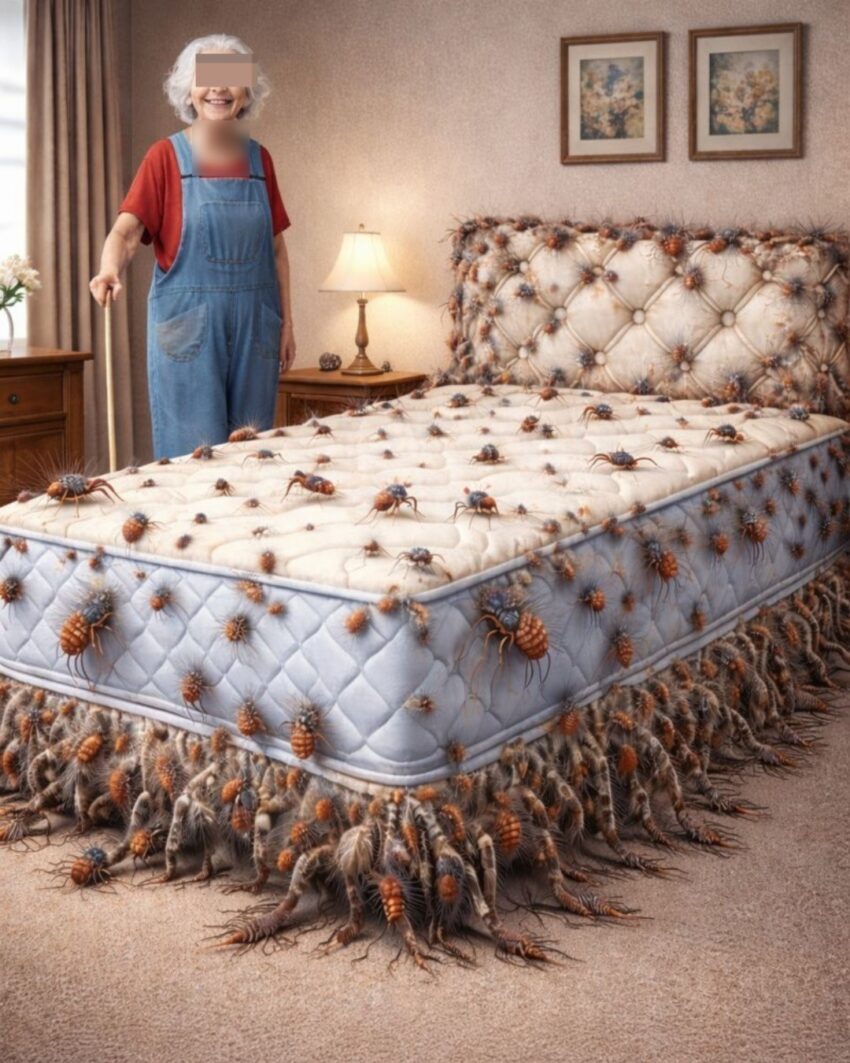
Dust mites are tiny organisms that thrive in warm, humid bedding and feed on shed skin. You don’t need harsh chemicals to control them—simple, consistent habits make the biggest difference.
Here are 8 practical, evidence-based ways to reduce dust mites in your bed and ease allergy symptoms:
🛏️ 1. Wash bedding in hot water weekly
Dust mite
- Use water ≥ 60°C if possible
- Wash sheets, pillowcases, and blankets
- Heat kills mites and removes allergens
🌬️ 2. Lower humidity
Dust mites thrive above ~50–60% humidity.
What helps:
- Keep room humidity around 40–50%
- Use ventilation, fans, or a dehumidifier
- Open windows when weather allows
🛡️ 3. Use allergen-proof covers
- Mattress and pillow encasements block mites
- Especially helpful for asthma or allergy sufferers
☀️ 4. Sun-dry bedding when possible
Sunlight + heat helps reduce moisture and mites
(A practical, low-cost method in sunny climates)
🧹 5. Vacuum regularly (with proper filter)
- Use a vacuum with HEPA filter
- Focus on mattress surface, bed frame, and nearby floor
🧸 6. Reduce fabric clutter
- Limit stuffed toys, extra pillows, and heavy blankets
- Wash soft items regularly
🛁 7. Shower before bed
- Removes sweat, oils, and skin flakes (mite food)
- Helps keep bedding cleaner longer
❄️ 8. Freeze or heat-treat small items
- Put small items (like pillows or soft toys) in freezer for several hours
- Or dry them on high heat
🧠 Important truth
You can’t eliminate dust mites completely—but you can:
reduce them enough to significantly improve symptoms
🤧 Signs dust mites may be affecting you
- Sneezing or runny nose in the morning
- Itchy eyes
- Worsening asthma at night
- Nasal congestion after sleep
🧾 Bottom line
The most effective approach is:
- heat (washing), dryness (low humidity), and barriers (covers)
If you want, I can suggest a simple weekly cleaning routine specifically for allergy control in bedrooms.
