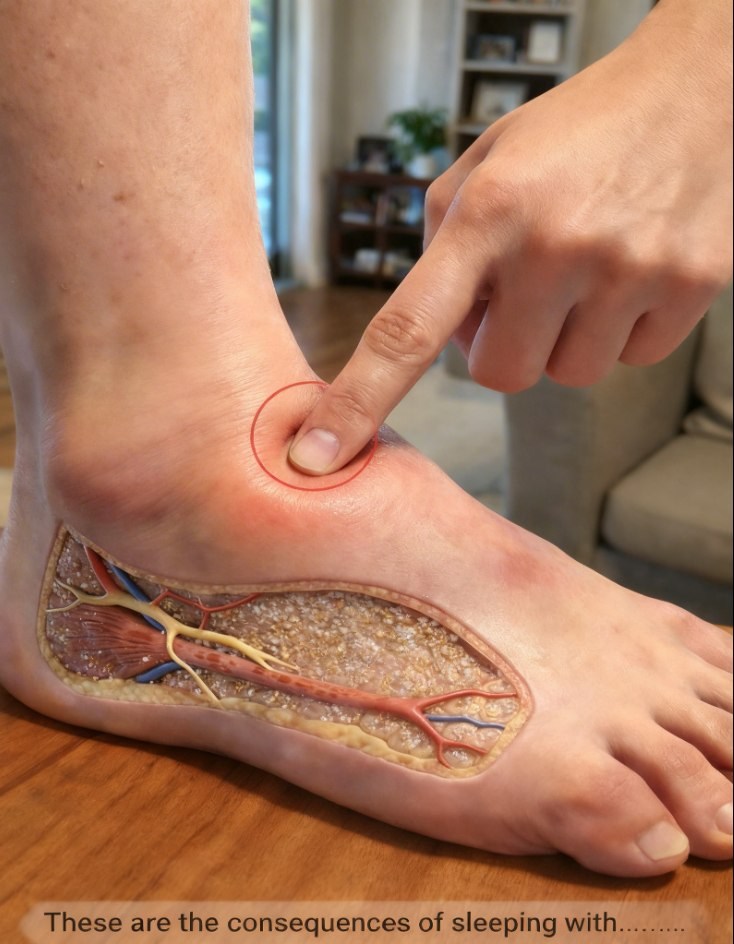
Swollen feet can have many causes—heat, long standing, salt intake, pregnancy, poor circulation, or medical conditions like heart, kidney, or vein problems. So “one herb fixes it” is usually an oversimplification.
But some medicinal herbs may gently support circulation and reduce mild fluid retention as part of a healthy routine.
🌿 First, what “swollen feet” really means
Edema
Swelling happens when fluid builds up in tissues, often in the feet and ankles due to gravity.
🌱 Herbs that may help (supportive, not cures)
🍵 1. Dandelion (natural mild diuretic)
Dandelion
- May help the body remove excess water
- Traditionally used for mild fluid retention
⚠️ Not suitable for kidney disease without medical advice
🌿 2. Ginger (improves circulation)
Ginger
- May support blood flow
- Can reduce inflammation in some people
- Often used as tea
🌾 3. Parsley (mild diuretic effect)
Parsley
- Traditionally used to reduce water retention
- Can be added to food or tea
🍃 4. Horse chestnut (vein support)
Horse chestnut
- Studied for improving symptoms of poor vein circulation
- Often used for leg heaviness and swelling
⚠️ Important reality check
Herbs:
- may mildly support circulation
- do NOT treat serious swelling causes
If swelling is due to:
- heart problems
- kidney disease
- blood clots
- severe venous disease
👉 herbs alone are not enough and medical care is needed.
🧠 What actually helps most
- Elevate legs above heart level
- Reduce salt intake
- Walk regularly (improves circulation)
- Avoid sitting/standing too long
- Wear compression stockings if advised
🚨 When to see a doctor
Seek help if swelling:
- appears suddenly
- affects one leg more than the other
- comes with pain, redness, or warmth
- is persistent or worsening
🧾 Bottom line
Herbs can support mild swelling and circulation, but they are not a standalone treatment for swollen feet.
If you want, I can suggest a simple daily routine (diet + movement + home remedies) that actually helps reduce foot swelling safely.
