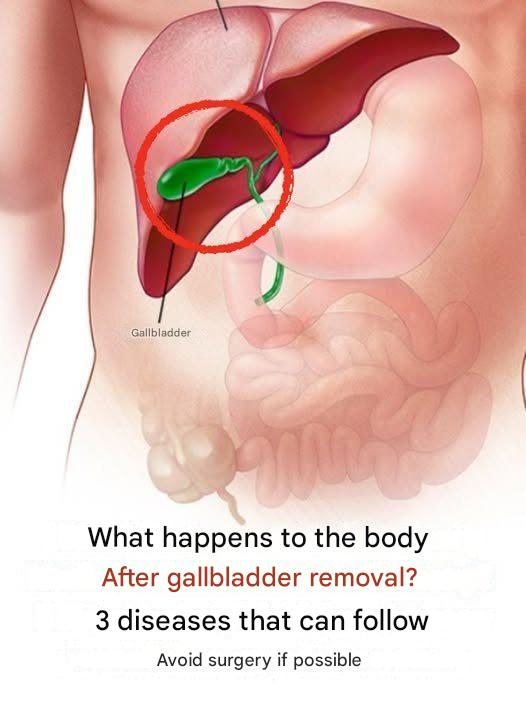
After gallbladder removal (cholecystectomy), most people live normally, because the body can still digest fat. But the bile now flows continuously into the intestine instead of being stored and released in bursts, which can cause some changes.
Here are 3 possible complications or long-term effects:
1. Digestive changes (especially fatty foods)
Cholecystectomy
What may happen:
- Bloating after fatty meals
- Gas or indigestion
- Loose stools in some people
Why:
Without the gallbladder, bile is less concentrated, so fat digestion can be less efficient.
How to manage:
- Eat smaller, low-fat meals
- Avoid very greasy or fried foods
- Gradually reintroduce fats
2. Bile acid diarrhea
What may happen:
- Frequent, urgent loose stools
- Especially after meals
Why:
Excess bile flowing directly into the intestine can irritate it.
How to manage:
- High-fiber diet
- Medications may be prescribed in persistent cases
- Avoid trigger foods (spicy, fatty meals)
3. Post-cholecystectomy syndrome
Postcholecystectomy syndrome
What may happen:
- Ongoing abdominal pain
- Nausea or bloating
- Indigestion similar to before surgery
Why:
Can be due to bile flow changes or other digestive conditions not related to the gallbladder.
How to manage:
- Medical evaluation to rule out other causes
- Diet adjustment
- Sometimes medication for bile flow or acid control
🧠 Important reality
Most people:
- recover well
- digest food normally over time
- do not develop serious long-term problems
🧾 Bottom line
Gallbladder removal is generally safe, but some people experience digestive sensitivity, bile-related diarrhea, or ongoing abdominal discomfort, especially with fatty foods.
If you want, I can also explain what foods to eat and avoid after gallbladder removal for easier digestion.
