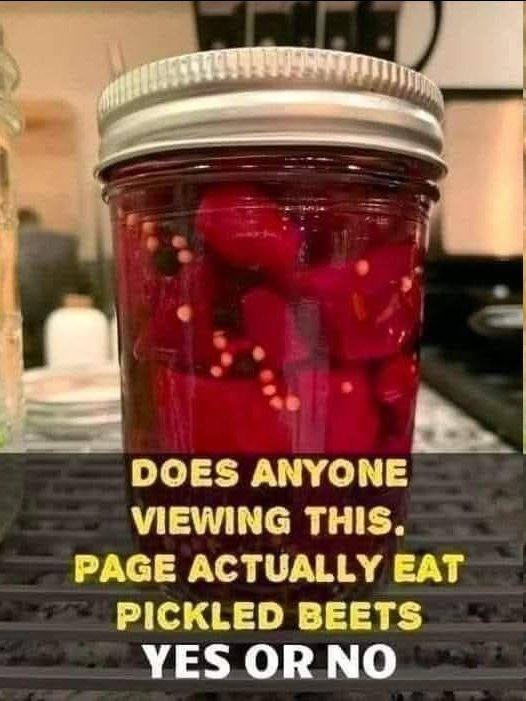
Pickled beets are beets preserved in vinegar, salt, and sometimes sugar and spices. They’re popular because they combine the natural sweetness of beets with a tangy flavor from the pickling liquid. 🥗
Nutrition & Health Benefits
Pickled beets still contain many nutrients found in fresh beets.
1. Heart health
Beets are rich in nitrates that may help improve blood flow and lower blood pressure, which can help reduce risk of Hypertension.
2. Antioxidants
Beets contain betalains, powerful antioxidants that help fight inflammation and may reduce risk of chronic diseases.
3. Digestive support
Because they are pickled, they may help digestion and gut health, although they usually have fewer probiotics than fermented foods like kimchi.
4. Nutrients
Pickled beets contain:
- Folate (important for cell growth)
- Potassium
- Fiber
- Vitamin C
Possible Downsides
⚠️ A few things to watch:
- High sodium: Pickling brine can contain a lot of salt, which may worsen Hypertension if eaten in large amounts.
- Added sugar: Some recipes include sugar, increasing calories.
- Kidney stones risk: Beets are high in oxalates, which may contribute to Kidney stones in susceptible people.
Common Ways to Eat Pickled Beets
- In salads
- With sandwiches or burgers
- As a side dish with meat
- Chopped into grain bowls
✅ Bottom line:
Pickled beets are generally healthy and nutritious if eaten in moderation, especially if the pickling brine isn’t too high in sugar or salt.
If you want, I can also explain why some people get red urine or stool after eating beets (called Beeturia)—it surprises many people but is usually harmless. 🧠
