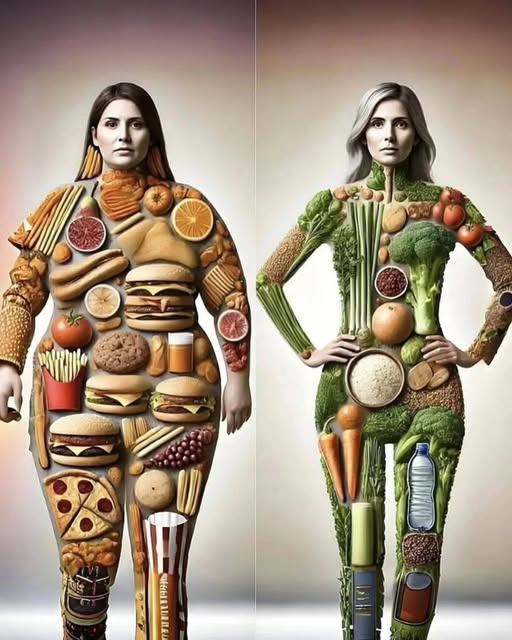
The “21-Day Smoothie Diet Challenge” is a popular type of nutrition program, but it’s worth looking at carefully before jumping in. Here’s what it really means and what to watch out for:
What it usually involves
- Replacing 1–2 meals a day with smoothies
- Focus on fruits, vegetables, and sometimes protein powders or superfoods
- Eating one regular, balanced meal per day
- Drinking plenty of water
Potential benefits
- Increased fruit and vegetable intake – can improve vitamins, fiber, and antioxidants.
- Calorie control – replacing high-calorie meals with smoothies may reduce overall daily calories.
- Digestive boost – fiber-rich smoothies can help with regularity.
- Habit formation – may encourage healthier choices long-term.
Things to be cautious about
- Excess sugar – fruit-heavy smoothies can spike blood sugar if not balanced with protein/fiber.
- Nutrient gaps – relying on smoothies alone may leave out essential fats, complex carbs, and micronutrients.
- Short-term effects – most weight loss is water and reduced calories, not fat loss.
- Sustainability – extreme reliance on smoothies may be hard to maintain beyond 3 weeks.
Tips for a safer 21-Day Challenge
- Include protein (yogurt, protein powder, nuts) to stay full
- Add healthy fats (avocado, flaxseed, chia seeds) for nutrition balance
- Keep one well-rounded meal per day to avoid deficiencies
- Focus on whole, minimally processed ingredients
- Listen to your body—if you feel dizzy, fatigued, or excessively hungry, adjust
Bottom line
A 21-day smoothie challenge can be a helpful reset or a boost to healthy habits, but it’s not a magic transformation. The real value comes from building sustainable changes in your overall diet.
If you want, I can make a sample 3-week smoothie plan that’s balanced, satisfying, and actually safe for daily use.
Do you want me to do that?
