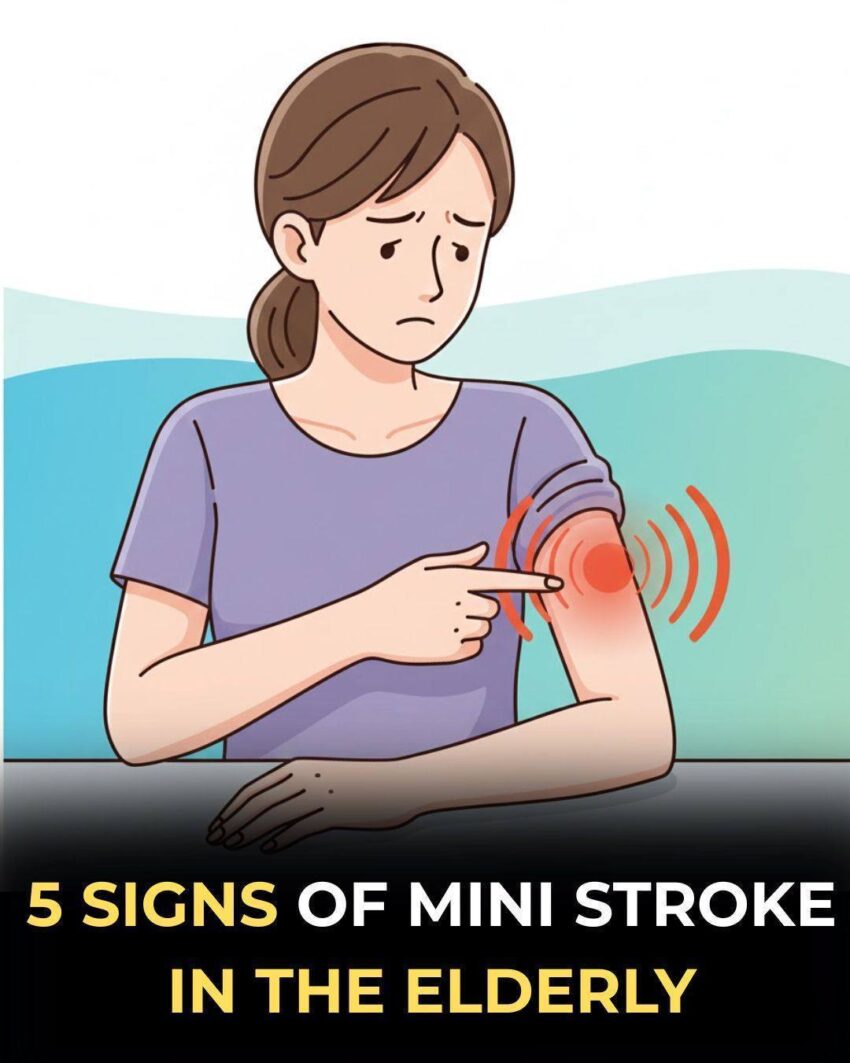
A “mini-stroke” is medically called a Transient Ischemic Attack. It happens when blood flow to part of the brain is briefly blocked. Symptoms may disappear quickly—but it’s a serious warning sign of a possible major stroke.
🚨 5 key signs in the elderly
1. Sudden weakness or numbness (one side of the body)
- Face drooping
- Arm or leg weakness
- Often affects just one side
2. Trouble speaking or understanding
- Slurred speech
- Difficulty forming words
- Confusion during conversation
3. Vision problems
- Blurred or double vision
- Sudden loss of vision in one eye
4. Loss of balance or coordination
- Dizziness
- Trouble walking
- Sudden unsteadiness
5. Sudden confusion or mental changes
- Disorientation
- Trouble recognizing people or surroundings
⚠️ Important reality check
- Symptoms often last a few minutes to an hour
- They may completely go away
👉 This does NOT mean it’s harmless
⏱️ What to do immediately
Use FAST:
- Face drooping
- Arm weakness
- Speech difficulty
- Time → seek emergency care immediately
Even if symptoms stop, go to the hospital right away.
🧠 Why it matters
A TIA can mean:
- High risk of a full stroke in the next 24–48 hours
- Early treatment can prevent permanent damage
✅ Bottom line
A mini-stroke is a medical emergency warning sign, not something to ignore. Quick action can save brain function—and life.
If you want, I can also share how to reduce stroke risk, especially for older adults.
