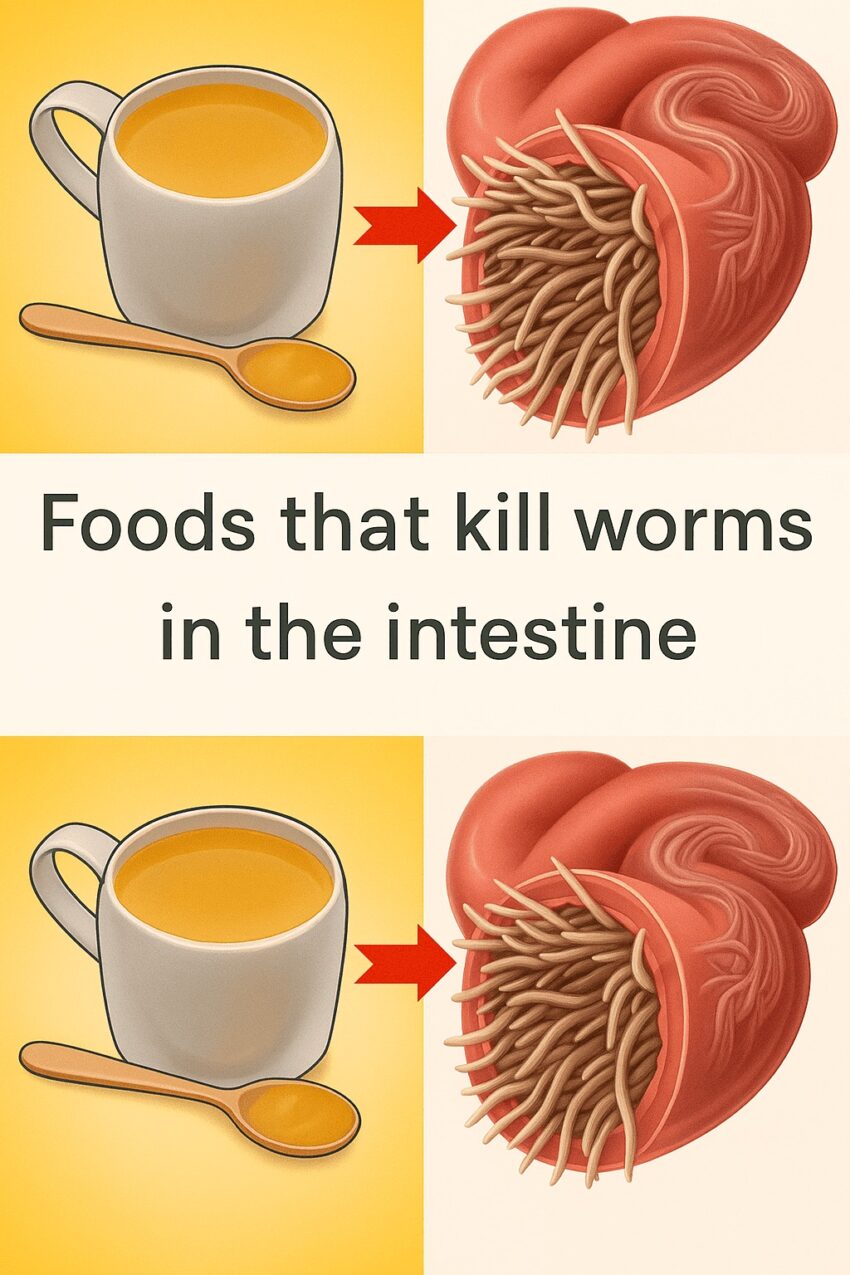
That headline is a bit misleading. No common food reliably “kills intestinal worms” on its own. Some foods may help create an unfavorable environment or support digestion, but if someone truly has a parasitic infection, the effective treatment is medication prescribed for conditions like Intestinal parasitic infection.
That said, here are foods often mentioned—and what they actually do:
1. Garlic
Contains compounds like allicin with antimicrobial properties. It may inhibit some parasites in lab settings, but it won’t clear an infection by itself.
2. Pumpkin seeds
Traditionally used because they contain cucurbitacin, which may affect worms. Evidence in humans is limited, but they’re nutritious and safe to eat.
3. Papaya (especially seeds)
Papaya seeds have shown some antiparasitic effects in small studies. Again, not a guaranteed cure.
4. Coconut
Coconut oil and flesh are sometimes linked to antiparasitic activity, though evidence is weak.
5. Carrots
High in fiber, which helps digestion. They don’t kill worms, but may help move things along in the gut.
6. Turmeric
Has anti-inflammatory and antimicrobial properties, but no strong proof it eliminates intestinal worms.
7. Pomegranate
Some traditional medicine uses it against parasites, but modern evidence is limited.
What actually works
Doctors treat worm infections with medications such as:
- Albendazole
- Mebendazole
These are specifically designed to kill or paralyze worms so the body can remove them.
When to take it seriously
Watch for symptoms like:
- Persistent abdominal pain
- Unexplained weight loss
- Itching around the anus (especially at night)
- Visible worms in stool
If these show up, it’s better to see a doctor rather than rely on food remedies.
Bottom line
These foods can be part of a healthy diet, but calling them “worm-killing” is an exaggeration. Real infections need proper diagnosis and treatment.
If you want, I can explain how people actually get intestinal worms and how to prevent them—that’s often more useful than these viral lists.
