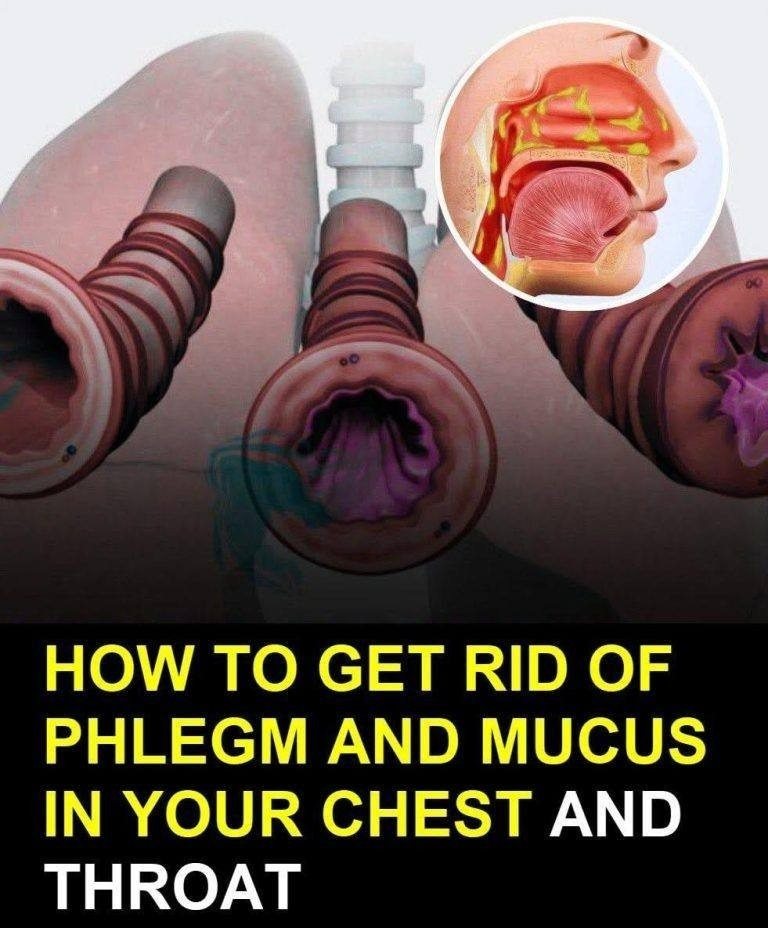
That headline is common, but the real idea is simple: you can’t instantly “remove” mucus, but you can help your body loosen and clear it faster. Mucus (phlegm) is usually your body’s response to infection, allergies, smoke, or irritation.
Here are 8 safe, evidence-based ways to reduce chest and throat mucus:
💧 1. Drink plenty of fluids
- Water thins mucus
- Warm fluids work best (tea, soup)
👉 Makes it easier to cough out
🌫️ 2. Steam inhalation
- Inhale warm steam from a bowl or shower
- Helps loosen thick mucus in airways
👉 Temporary but effective relief
🌬️ 3. Use a humidifier
- Adds moisture to dry air
- Prevents mucus from becoming thick and sticky
🫁 4. Controlled coughing (huff cough)
- Deep breath in → forceful “huff” out
- Helps move mucus out of lungs safely
🍯 5. Honey (for throat irritation)
- Soothes throat lining
- May reduce coughing frequency
⚠️ Not for children under 1 year
🧂 6. Salt water gargle
- Reduces throat irritation
- Helps clear mucus at the back of the throat
🚶 7. Gentle movement or walking
- Physical activity helps loosen chest secretions
- Encourages natural drainage
🚭 8. Avoid irritants
- Smoking (major mucus producer)
- Dust, strong perfumes, pollution
👉 Prevents further mucus buildup
🧠 Important reality check
- Mucus is not “bad”—it’s a protective response
- The goal is to help the body clear it, not eliminate it instantly
- Antibiotics are only needed if there’s a bacterial infection (doctor decision)
🚨 When to see a doctor
- Mucus lasting >2–3 weeks
- Yellow/green mucus with fever
- Blood in mucus
- Shortness of breath or chest pain
🧠 Bottom line
You can’t instantly get rid of chest mucus, but hydration, steam, and airway-clearing techniques are the safest and most effective ways to help your body clear it naturally.
If you want, I can also tell you:
👉 what mucus color actually means
👉 or how to tell viral vs bacterial chest infections at home safely
