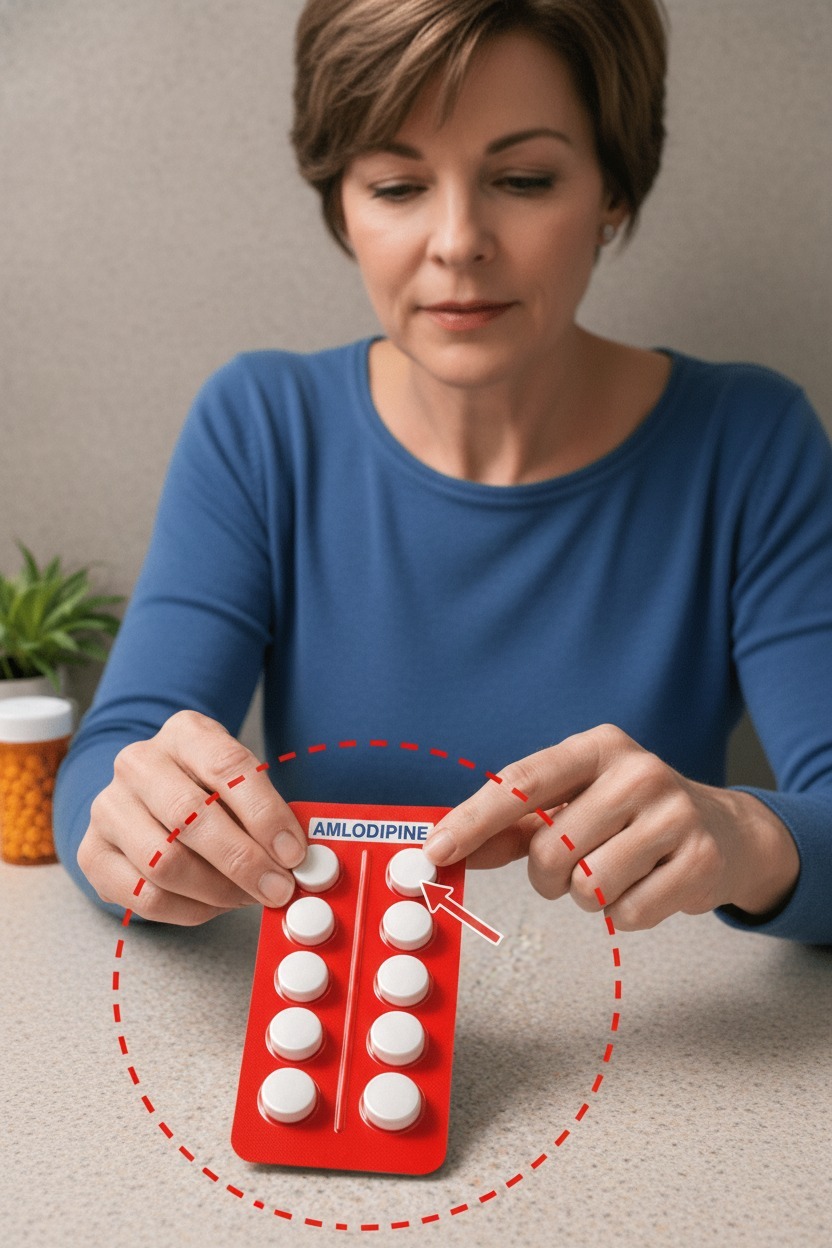
That headline is fear-based and exaggerated. If someone is taking Amlodipine, there are indeed some habits that can affect blood pressure control or increase side effects—but it’s not about “ditching 8 things immediately or risking your health.”
Let’s keep it real and useful.
💊 First: what amlodipine does
Amlodipine is commonly used for:
- High blood pressure (hypertension)
- Chest pain (angina)
It relaxes blood vessels so blood flows more easily.
⚠️ Habits that can interfere (worth paying attention to)
1. High-salt diet
Too much salt can reduce the effectiveness of blood pressure control.
2. Skipping doses or inconsistent timing
This is one of the biggest problems—can cause unstable blood pressure.
3. Excess alcohol
Can lower blood pressure too much or worsen dizziness and swelling.
4. Grapefruit in large amounts
May interfere with how some blood pressure medicines are metabolized (less of an issue than with some other drugs, but still worth caution).
5. Sitting or standing up too quickly
Amlodipine can cause dizziness or low blood pressure in some people.
6. Ignoring swelling in feet or ankles
A known side effect is fluid buildup (edema)—needs medical attention if persistent.
7. Self-mixing with other blood pressure drugs or supplements
Some herbs/supplements can affect blood pressure unpredictably.
8. Avoiding exercise completely
Light-to-moderate activity actually helps blood pressure control. Complete inactivity can worsen overall cardiovascular health.
🚨 Important truth
These are not emergency “ditch immediately” rules—they’re long-term health habits that support treatment.
Most people take amlodipine safely for years.
🧾 Bottom line
- No need to panic or stop anything suddenly
- Focus on consistency, diet, and monitoring side effects
- If swelling, dizziness, or fatigue becomes severe → talk to a doctor
If you want, tell me the dose and your symptoms (if any), and I can help you understand whether what you’re experiencing is normal or needs attention.
