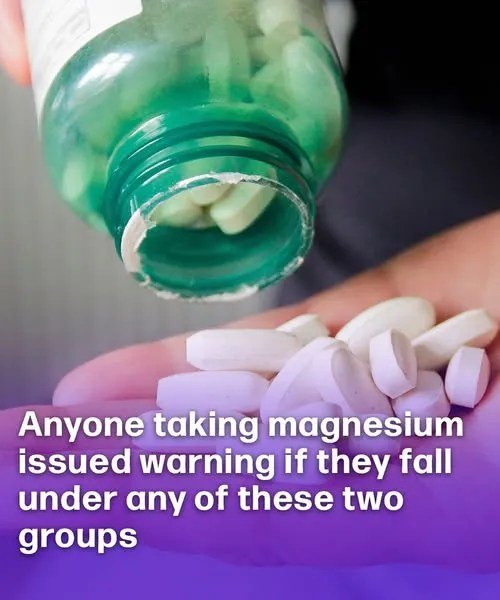
Health experts have been raising fresh warnings about magnesium supplements — especially about their safety for certain people — and it’s not just “they might upset your stomach.” While magnesium is an important mineral most of us get enough of from food, high‑dose supplements can pose real risks for specific groups of people if used without medical advice. (The Guardian)
🧠 What the warning is about
- Magnesium supplements are widely used for things like sleep, muscle cramps, digestion, or to fill nutrient gaps — but unlike food, they are not regulated like medicines and too much can cause side effects if taken in excess. (The Guardian)
- The tolerable upper intake level (UL) for supplemental magnesium for most adults is about 350 mg/day, and exceeding that often leads to diarrhea, nausea, and abdominal cramping. (The Guardian)
- In rare cases, extremely high intake can lead to magnesium toxicity (hypermagnesemia), which affects nerves, heart rhythm, breathing, and blood pressure. (Office of Dietary Supplements)
⚠️ Two high‑risk groups experts say should avoid or be very cautious with magnesium supplements
1. People with kidney problems
- The kidneys are responsible for removing excess magnesium from the body. When kidney function is impaired — especially in moderate to severe chronic kidney disease — they can’t eliminate magnesium effectively.
- This can allow magnesium to build up in the blood to dangerous levels, increasing the risk of toxicity, irregular heartbeat, muscle weakness, and in serious cases cardiac or respiratory problems. (Cleveland Clinic)
👉 People with kidney disease or reduced kidney function should not take magnesium supplements unless under medical supervision.
2. People taking certain medications or with heart‑related conditions
- Magnesium can interact with heart‑related drugs (like some blood pressure medicines or calcium channel blockers), potentially amplifying effects like low blood pressure or affecting heart rhythm. (Mito Health)
- Individuals with conditions like heart block (severely slowed heart rhythm) might be especially vulnerable because magnesium influences electrical conduction in the heart. (Mito Health)
👉 Anyone on heart medications or with diagnosed heart conduction problems should check with a healthcare provider before supplementing.
🧠 Other points experts emphasize
- Most people don’t need magnesium supplements if they get enough from foods like leafy greens, nuts, seeds, legumes, and whole grains; food doesn’t cause the same risk of overdose because the body regulates it. (Office of Dietary Supplements)
- Taking multiple supplements at once (especially without knowing the exact dose of magnesium inside) can accidentally push intake higher than recommended. (The Guardian)
- Even outside those high‑risk groups, high doses often cause gastrointestinal side effects first (loose stools, cramps). (Health)
🧑⚕️ Bottom line
Magnesium supplements can be helpful when there’s a documented deficiency or a doctor suggests them — but they are not automatically safe for everyone. Experts strongly recommend:
✔ Get magnesium from food first. (Office of Dietary Supplements)
✔ Check with a healthcare provider before supplementing, especially if you have kidney disease or heart conditions. (Cleveland Clinic)
✔ Be cautious of high doses and products that provide more than the recommended supplemental amount. (The Guardian)
If you want, I can explain which forms of magnesium supplements are easiest on the stomach and what doses are generally considered safe for most people — just let me know!
