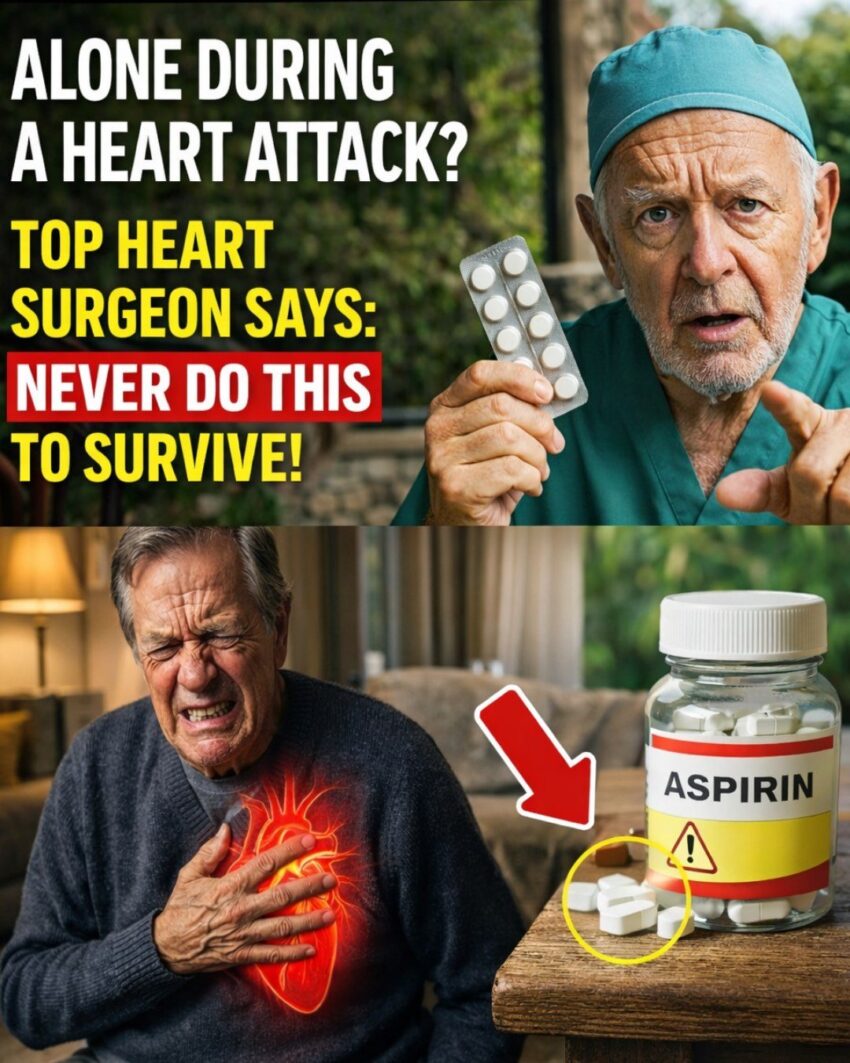
That headline is trying to be dramatic, but the topic is important. You can’t “power through” a heart attack alone—but you can take steps that improve your chances while help is on the way.
🚨 First: know the warning signs
Common signs of a Heart attack include:
- Chest pressure, tightness, or pain (may spread to arm, jaw, back)
- Shortness of breath
- Nausea, sweating, lightheadedness
- In older adults, symptoms can be atypical (fatigue, indigestion-like discomfort)
🛟 What to do immediately if you’re alone
1) Call emergency services right away
Don’t wait to see if it passes. In Pakistan, dial 1122 (Rescue) or your local emergency number.
2) Unlock your door / alert someone
If possible, unlock the door or call a neighbor so responders can reach you quickly.
3) Sit or lie down and rest
Keep yourself calm and still—avoid exertion.
4) Chew an aspirin (if appropriate)
A regular adult aspirin (≈300–325 mg) can help limit clotting if you’re not allergic and don’t have a contraindication (e.g., active bleeding). Chewing helps it work faster.
5) Use prescribed medication
If you’ve been given nitroglycerin for chest pain, take it as directed.
6) Stay on the phone
If you can, keep the line open with the dispatcher—they can guide you.
7) Do not try to drive yourself
It’s risky and can delay proper care.
⚠️ About “cough CPR”
You may see advice to cough repeatedly. This is not recommended for the public in this situation—it’s a specialized technique used in monitored medical settings, not a home remedy.
🧠 After the emergency
Getting rapid treatment is critical. Minutes matter—early care can save heart muscle and your life.
🧾 Bottom line
There’s no guaranteed way to “survive it alone,” but calling for help immediately, resting, and using aspirin (if safe) are the most effective steps you can take.
If you want, I can also share early warning signs that people over 60 often miss and how to reduce your risk day-to-day.
