Understanding Thyroid Function
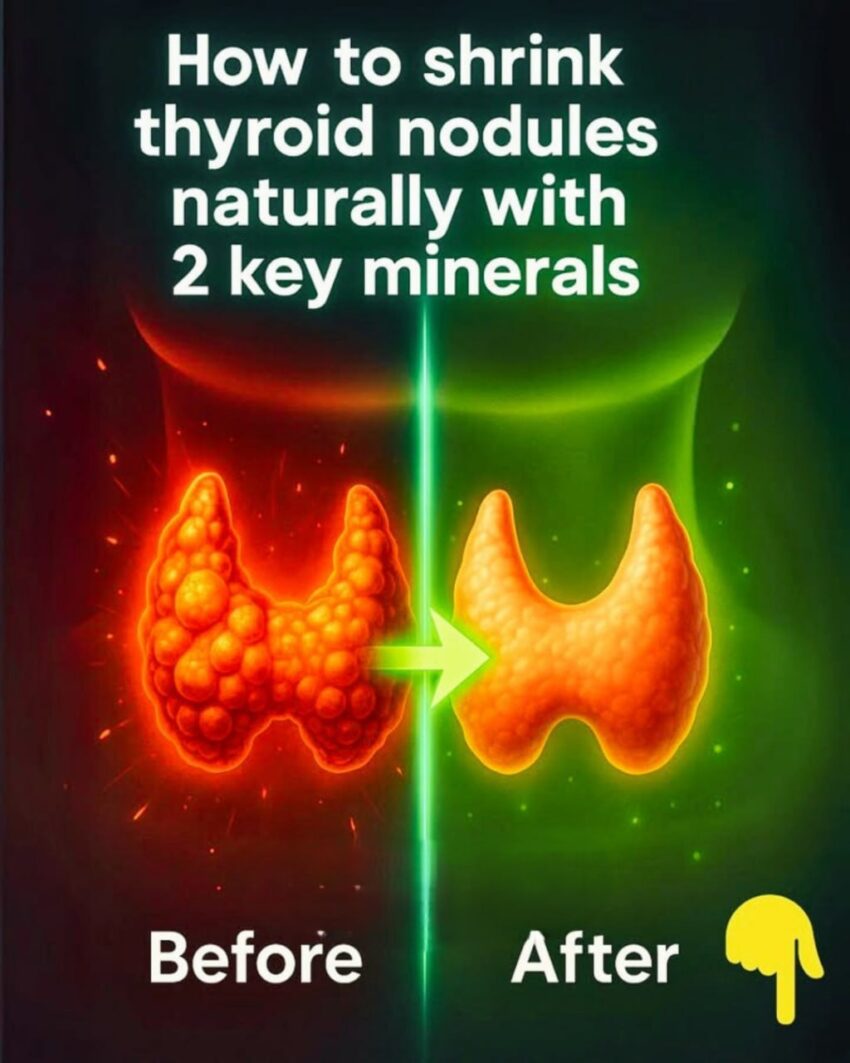
The thyroid is a small, butterfly-shaped gland in your neck—but it has a big role in how your body runs.
What the thyroid actually does
The thyroid produces hormones (mainly T3 and T4) that control your body’s metabolism—how fast or slow everything works.
Think of it as your body’s speed regulator:
- Too much hormone → things speed up
- Too little hormone → things slow down
What it controls
Thyroid hormones affect many systems:
- Energy levels (feeling active vs tired)
- Weight (gain or loss without clear reason)
- Heart rate
- Body temperature
- Digestion
- Mood and concentration
The control system (how it’s regulated)
Your brain and thyroid work together:
- The Hypothalamus signals
- The Pituitary gland releases TSH (thyroid-stimulating hormone)
- The thyroid responds by making T3 and T4
This feedback loop keeps things balanced.
Common thyroid problems
1. Hypothyroidism (underactive)
Too little hormone → body slows down
Symptoms:
- Fatigue
- Weight gain
- Feeling cold
- Dry skin
- Depression
2. Hyperthyroidism (overactive)
Too much hormone → body speeds up
Symptoms:
- Weight loss
- Rapid heartbeat
- Anxiety
- Sweating
- Trouble sleeping
Why it matters
Even small imbalances can affect:
- Daily energy
- Mental clarity
- Heart health
How it’s checked
A simple blood test measuring:
- TSH (most important)
- Sometimes T3 and T4
Bottom line
The thyroid quietly controls your body’s energy and balance. When it’s off, many systems feel it—often in ways people don’t immediately connect to the thyroid.
If you want, I can help you match specific symptoms to possible thyroid issues or explain how to read your test results.
