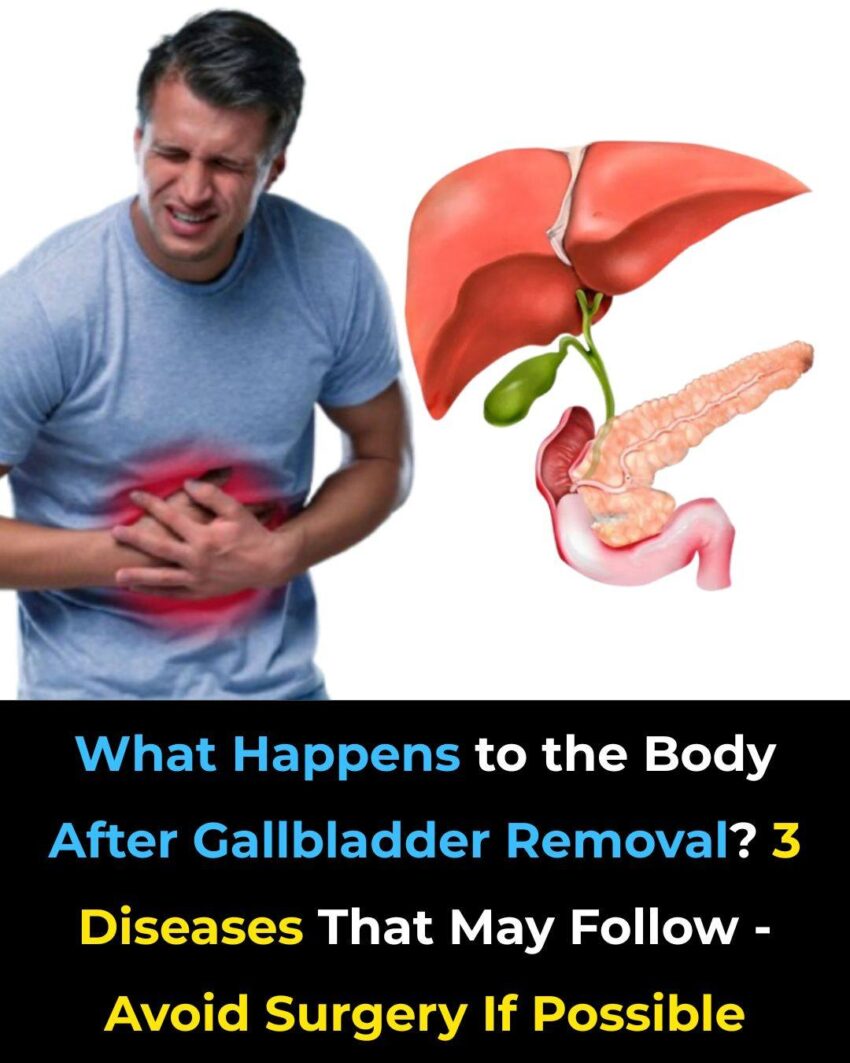
Gallbladder removal—called Cholecystectomy—is very common, and most people live normally afterward. Still, your body does adjust in a few ways.
🧠 What the gallbladder does
The gallbladder stores bile (a digestive fluid) and releases it when you eat, especially fatty foods.
After removal:
- Your liver still makes bile
- But it drips continuously into the intestine instead of being stored and released in bursts
⚙️ What changes in your body
🍽️ 1. Fat digestion becomes less efficient (at first)
- You may have trouble with greasy or heavy meals
- Usually improves over time as the body adapts
🚽 2. Digestive changes
Some people experience:
- Loose stools or diarrhea
- Bloating or gas
👉 Often temporary, but a small number develop ongoing issues like Postcholecystectomy syndrome
⚡ 3. More sensitivity to certain foods
- Fried or fatty foods
- Spicy meals
👉 Smaller, lighter meals usually help
🧬 4. Bile flow changes
- Constant bile flow can irritate the intestine in some people
- Rarely leads to chronic diarrhea
🧠 Important reality check
- Most people return to a completely normal diet over time
- Serious long-term problems are uncommon
- The surgery is usually done because the benefits outweigh the risks
✔️ What helps after surgery
🥗 Eat smaller, balanced meals
- Avoid large fatty meals early on
🥄 Gradually reintroduce fats
- Don’t cut them completely—just go slowly
💧 Stay hydrated
- Helps digestion and bowel function
🚨 When to see a doctor
- Persistent diarrhea
- Severe abdominal pain
- Yellowing of skin/eyes (jaundice)
- Ongoing digestive issues
✔️ Bottom line
After gallbladder removal, your body adapts to a different bile flow pattern. Most people do well, with only temporary digestive changes.
If you want, I can suggest a simple meal plan for the first few weeks after surgery to avoid discomfort.
