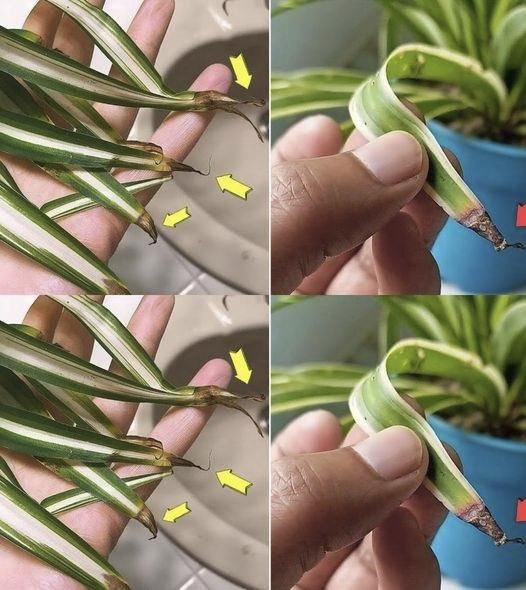
When the tips of herbaceous plants turn brown, it’s usually a stress signal, not a disease by itself. The leaf tips are the most sensitive part, so they show damage first.
Here are the most common causes—and how to tell them apart:
💧 1. Watering problems (most common)
Underwatering
- Dry soil, crispy brown tips
- Leaves may curl or feel brittle
Overwatering
- Yellowing + brown tips
- Soil stays wet, roots may rot
👉 Both extremes damage roots, so the plant can’t supply water properly.
🧂 2. Salt buildup in soil
From:
- Too much fertilizer
- Hard tap water
- Causes “burnt” brown tips
- Often with white crust on soil
👉 Excess salts pull water out of roots.
☀️ 3. Too much direct sun
- Scorched, dry tips or edges
- Common in shade-loving plants moved into strong sunlight
🌬️ 4. Low humidity
- Very common indoors
- Tips dry out first, especially in winter or with AC/heaters
🧪 5. Chemical sensitivity
Some plants react to:
- Chlorine or fluoride in tap water
👉 Seen in sensitive houseplants like spider plant
🪴 6. Root problems
- Pot too small (root-bound)
- Poor drainage
👉 Roots can’t absorb enough water → tips dry out
🦠 7. Disease (less common)
- Usually includes spots, spreading damage, or unusual patterns—not just tips
🧠 How to fix it
- Water consistently (not too much, not too little)
- Flush soil occasionally to remove salts
- Use filtered or rested water if needed
- Increase humidity (mist, tray, or grouping plants)
- Ensure proper light for the plant type
✂️ Can you cut the brown tips?
Yes:
- Trim with clean scissors
- Follow the natural leaf shape
It won’t “heal” but improves appearance.
🧠 Bottom line
Brown tips usually mean watering imbalance, salt buildup, or dry air—not something mysterious.
If you tell me your specific plant and how you care for it, I can pinpoint the exact cause and fix.
