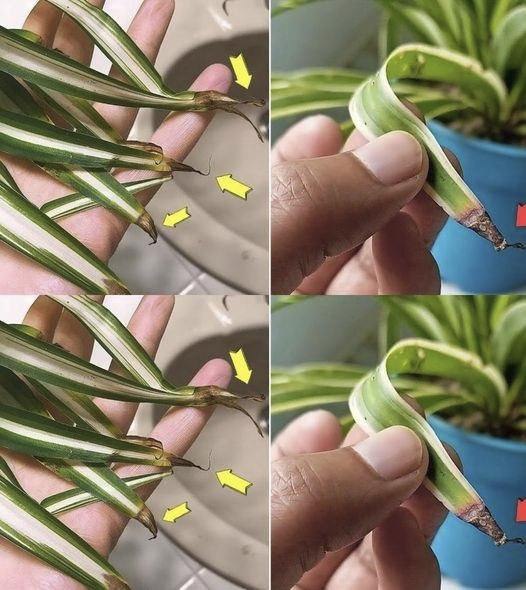
When the tips of herbaceous (soft-stem) plants turn brown, it’s usually a stress signal—not a single disease. The leaf tips are the first place damage shows because they’re the farthest from water and nutrient supply.
Here are the most common causes and what to do:
🌿 1. Water stress (most common)
Both underwatering and overwatering can cause browning tips.
- Too little water → tips dry out and crisp
- Too much water → roots suffocate, can’t absorb water properly
Fix:
- Keep soil consistently moist, not soggy
- Check soil before watering (top 2–3 cm dry = time to water)
🧂 2. Salt buildup in soil
From fertilizers or hard tap water, salts accumulate and “burn” leaf edges.
Fix:
- Flush soil occasionally with clean water
- Reduce fertilizer frequency
- Use filtered or rainwater if possible
🌬️ 3. Low humidity
Many indoor herbs (like basil, mint) prefer some humidity.
Signs:
- Dry, crispy tips
- Worse in air-conditioned or heated rooms
Fix:
- Mist lightly or place a water tray nearby
- Group plants together
☀️ 4. Too much direct sun (leaf burn)
Tender herbaceous plants can scorch in intense sunlight.
Fix:
- Provide bright light but avoid harsh midday sun
- Use partial shade if outdoors
🪴 5. Nutrient imbalance
Too much or too little nutrients can damage leaf tips.
Fix:
- Use balanced fertilizer in small amounts
- Avoid overfeeding
🦠 6. Disease or root issues (less common)
If browning spreads or includes spots:
- Could be fungal or bacterial
- Or root rot from overwatering
Fix:
- Remove affected leaves
- Improve drainage and airflow
🧠 Simple rule to remember
Brown tips = stress at the edges (water, salts, light, or air)
✅ Quick checklist
- Is the soil too dry or too wet?
- Are you over-fertilizing?
- Is the air too dry?
- Is sunlight too harsh?
If you tell me which herb you’re growing (basil, coriander, mint, etc.), I can give you exact care adjustments for that plant.
