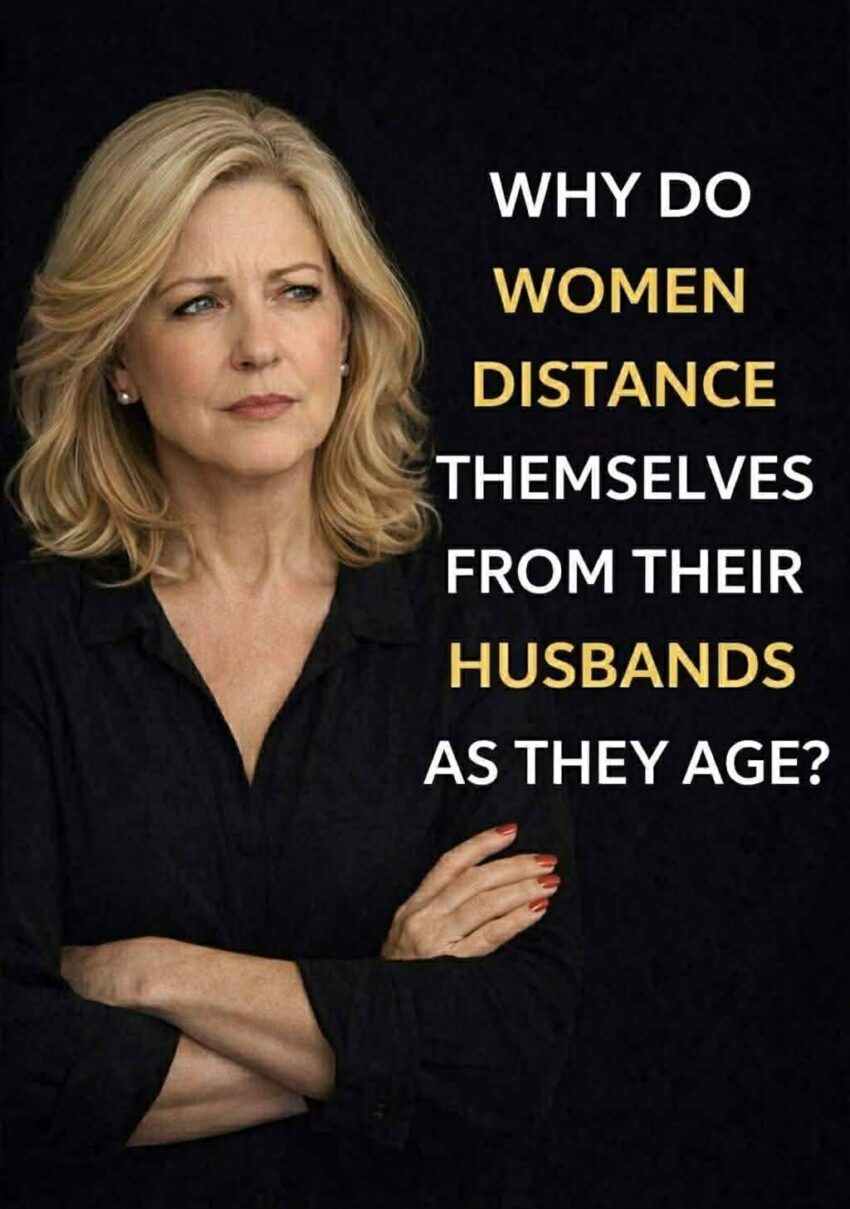
This is a nuanced topic that involves a mix of psychological, emotional, and social factors. It’s not universal, but research and relationship experts identify several common reasons why some women may distance themselves from their husbands as they age:
1. Changing Priorities and Independence
- Women often gain confidence and independence as they age—financially, socially, or emotionally.
- They may focus on personal growth, hobbies, or friendships, reducing emotional reliance on their spouse.
- This isn’t necessarily negative—it can reflect self-assertion and autonomy.
2. Emotional Disconnect
- Long-term relationships may accumulate unresolved conflicts or unmet emotional needs.
- Women may pull back to protect themselves from repeated disappointments or arguments.
- Sometimes distancing is a signal for a partner to engage more emotionally.
3. Physical and Hormonal Changes
- Menopause brings hormonal shifts, affecting mood, libido, and energy.
- Fatigue, hot flashes, or hormonal imbalances may make intimacy or closeness feel less appealing or more effortful.
4. Shifts in Communication Patterns
- Over decades, couples can fall into habitual patterns, like avoiding tough conversations.
- Women may withdraw if they feel unheard, undervalued, or criticized, preferring space to preserve emotional energy.
5. Life Transitions
- Kids leaving home, retirement, or caregiving responsibilities can alter the dynamic.
- Women may distance themselves while re-evaluating life goals or seeking personal fulfillment outside the marriage.
6. Physical Health and Self-Care
- Health issues—chronic pain, fatigue, or body changes—can affect intimacy and closeness.
- Distancing can sometimes be practical self-care, not emotional rejection.
7. Desire for Emotional Safety
- Some women may distance themselves to avoid conflict or emotional strain, especially in marriages with long-term tension.
💡 How Couples Can Address This
- Open Communication: Ask gently about feelings and needs without judgment.
- Shared Activities: Rediscover hobbies, travel, or small rituals together.
- Counseling: Professional guidance can help navigate emotional or intimacy gaps.
- Self-Awareness: Both partners benefit from reflecting on personal and relational growth.
Bottom line: Emotional or physical distancing in long-term marriages is usually a signal, not a rejection. It often reflects changes in priorities, self-care needs, or unaddressed emotional gaps. Addressing it openly, with empathy and patience, can rebuild connection and intimacy.
If you want, I can make a practical guide for rekindling emotional closeness in long-term marriages, specifically tailored for couples experiencing this kind of distancing.
Do you want me to do that?
